
Last updated September 24, 2026
Free in-home measure and quote - PGT, CGI and CWS impact lines compared on your actual openings, style by style
 Before
 After
After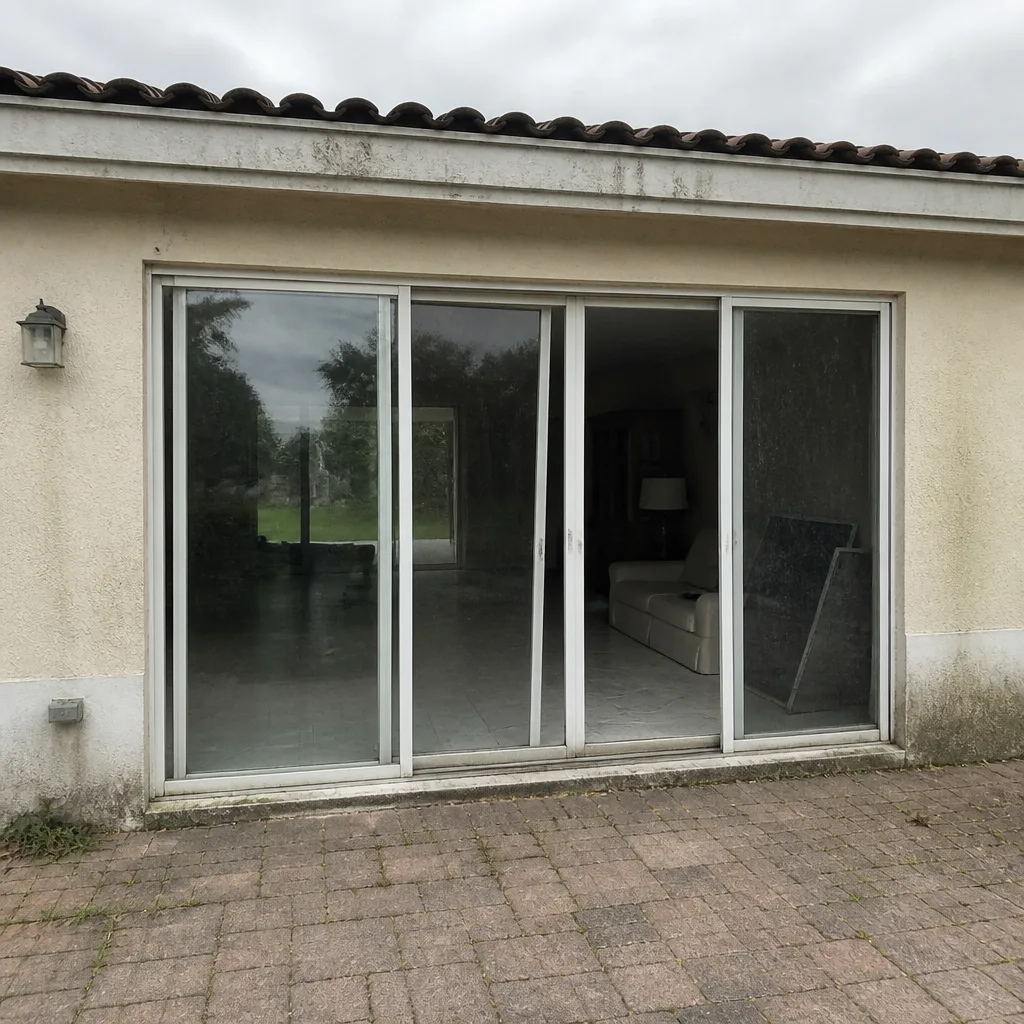 Before
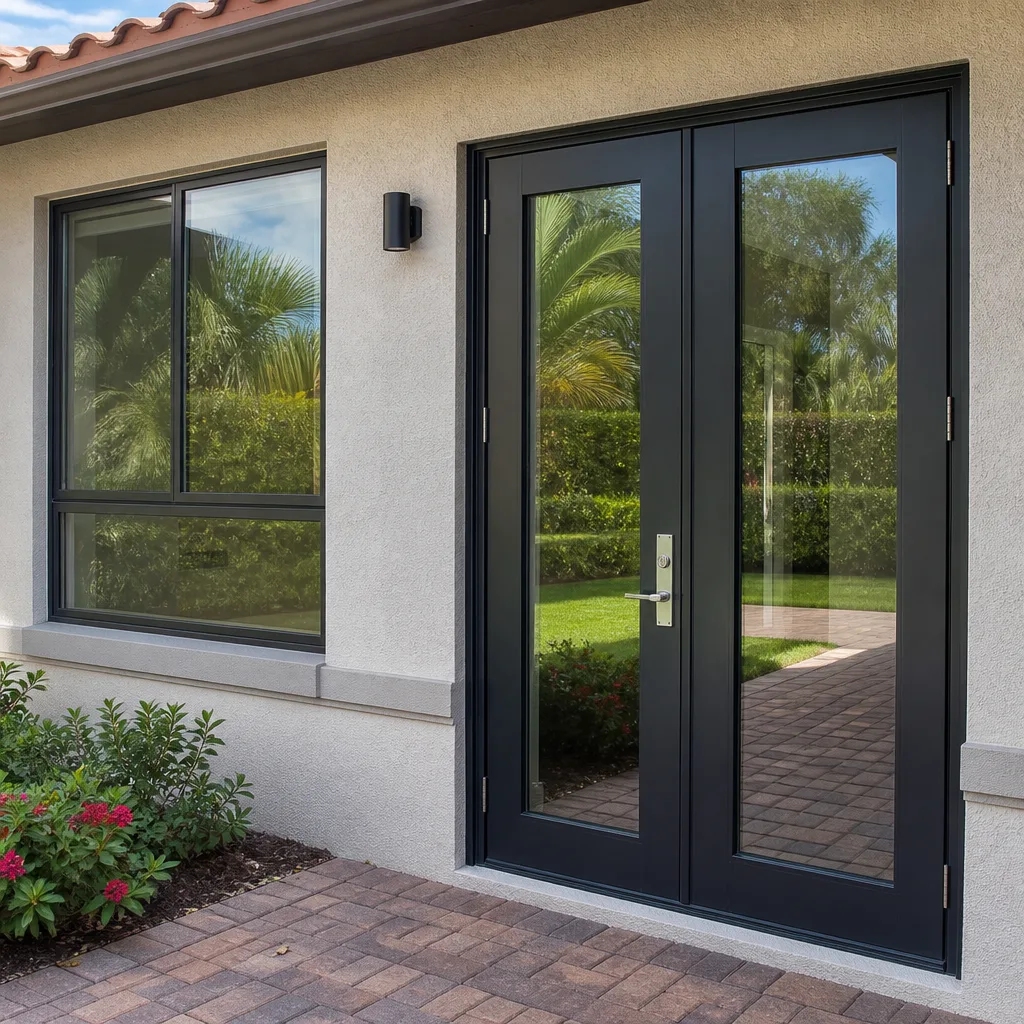 After
After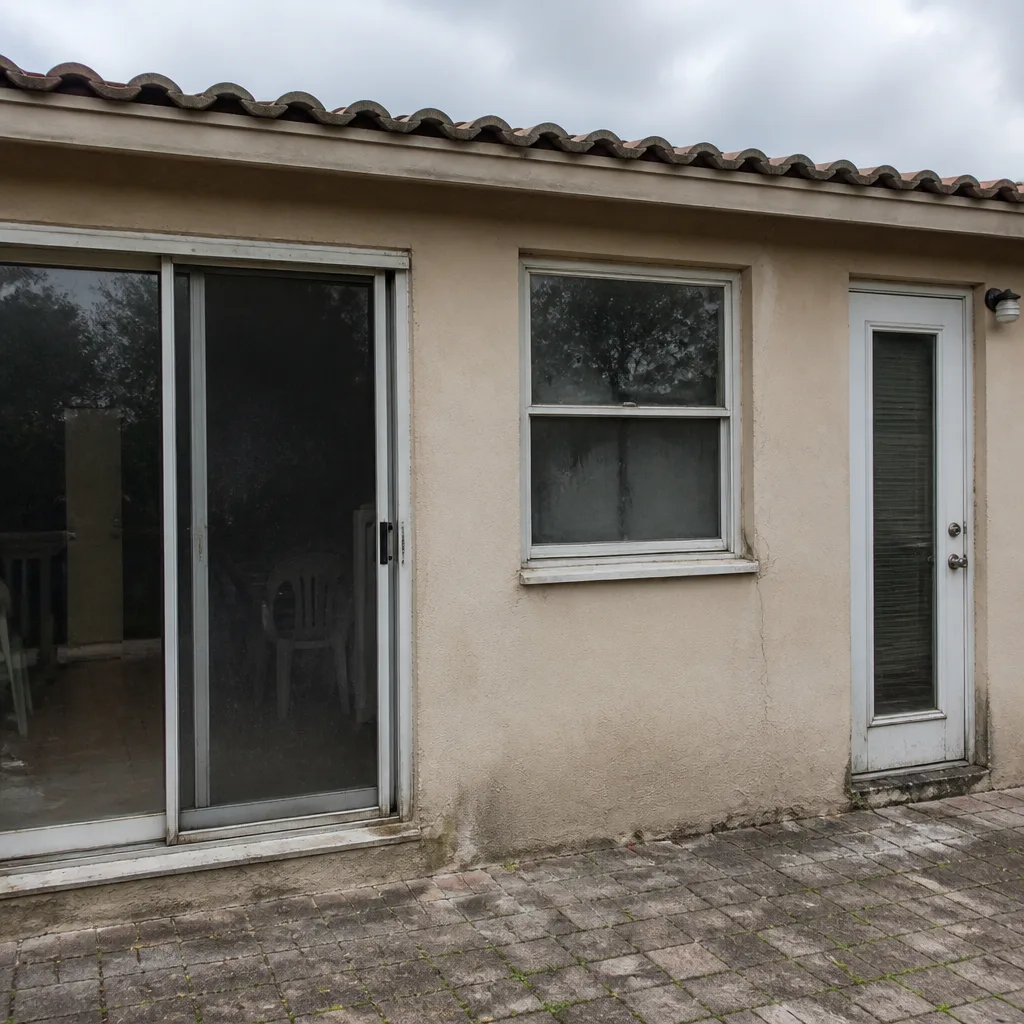 Before
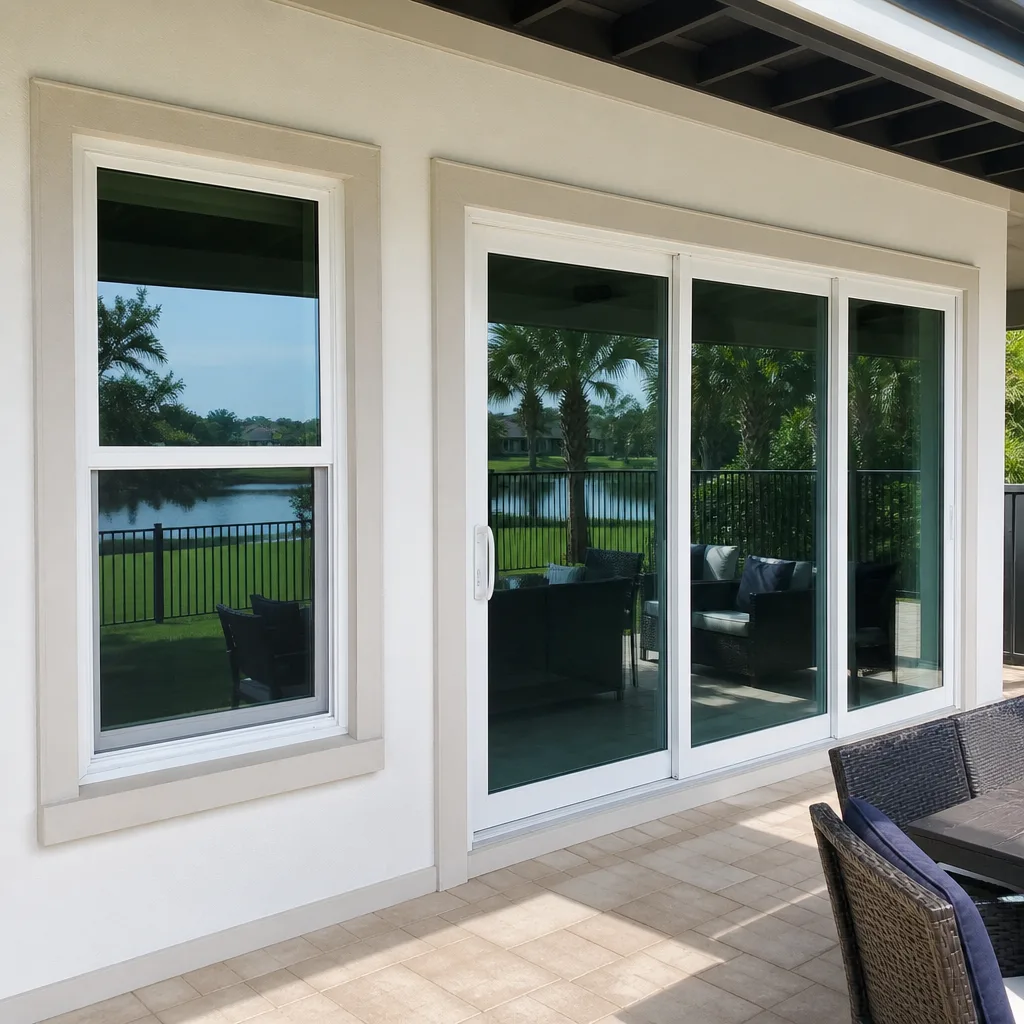 After
AfterDIY vs Professional Windows & Doors: The Weston Homeowner’s Decision Guide
Most Weston homeowners assume the DIY versus professional question comes down to whether they own a drill and can follow a YouTube tutorial. That assumption costs people their wind-mitigation credits, their product warranties, and sometimes their insurance coverage after a storm. Florida’s owner-builder statute does let you pull your own permit, but in Broward County’s High-Velocity Hurricane Zone, the installation methods written into product approvals are drafted for licensed contractors, not weekend renovators. In this guide and our How to Hire a Windows & Doors Contractor in Weston: A Step-by-Step Guide, we’ll show you exactly where Florida law protects the DIY path, where it ends, and what a Weston homeowner actually saves or risks by choosing either route.
Quick Answer
Weston homeowners can legally perform interior trim, hardware adjustment, and screen installation on their own windows and doors. However, the installation of impact-rated products, the structural attachment of frames to openings, and the waterproofing sequence required by Broward County HVHZ code must be completed by a licensed contractor whose work is documented to match the manufacturer’s NOA-approved method. A DIY installation that passes visual inspection can still fail wind-mitigation review if the permit and inspection card do not show licensed contractor sign-off, which voids insurance discounts and product warranties simultaneously.
Table of Contents
- Florida’s Owner-Builder Exemption: Where It Helps and Where It Stops
- HVHZ Product Approvals and the Licensed Contractor Requirement
- What Weston Homeowners Can Legally DIY
- What Requires a Licensed Contractor Under Broward County Code
- The Wind-Mitigation Inspection Trap
- The Insurance Liability Gap for Owner-Installed Windows
- Real Cost Comparison: DIY vs Professional in Weston
- Documentation That Protects Your Investment
 Before
 After
AfterFlorida’s Owner-Builder Exemption: Where It Helps and Where It Stops
Florida Statute 489.103(7) allows homeowners to act as their own contractor on residential projects, provided the home is their primary residence and the work does not involve a structure “intended for sale or lease.” This is the owner-builder exemption, and it is real law. A Weston homeowner in Savanna or Windmill Ranch Estates can walk into the Broward County Building Code Services office, present their homestead exemption documentation, and pull a permit for window replacement.
Here is where the exemption narrows. The statute permits the homeowner to perform the work or to hire unlicensed labor directly. It does not exempt the work itself from code compliance. And in Broward County, which sits entirely within the High-Velocity Hurricane Zone defined by the Florida Building Code, window and door installations for replacement must comply with HVHZ-specific requirements that reference manufacturer Notice of Acceptance documents. Those NOAs specify installation sequences, fastener patterns, sealant types, and flashing integration that assume a licensed contractor’s knowledge of structural attachment and water management.
The owner-builder exemption protects you from unlicensed contracting charges. It does not protect you from code violations, failed inspections, or voided product warranties. In our experience across 18,000+ openings since 2012, the exemption creates more confusion than it resolves for impact-rated products, because the NOA language effectively requires contractor-level documentation even when the permit is in the homeowner’s name.
We have reviewed owner-builder permit files in Weston where the homeowner completed a visually clean installation of PGT impact windows, only to discover at resale that the wind-mitigation inspector could not verify the fastener schedule or the sealant bead continuity because neither was photographed or documented at rough inspection. The work passed. The documentation failed. The discount disappeared.
HVHZ Product Approvals and the Licensed Contractor Requirement

Every impact-rated window or door installed in Weston carries a Notice of Acceptance issued by the Florida Department of Business and Professional Regulation or Miami-Dade County. The NOA is not a suggestion. It is the legal basis for the product’s use in HVHZ conditions, and it includes an “Installation Instructions” section that becomes enforceable under Broward County’s amended code.
Read the NOA for any major impact line, PGT or CGI included, and you will find language like this: “Installation shall be in accordance with the manufacturer’s published instructions by a contractor licensed in the jurisdiction where the work is performed.” Some NOAs soften this to “or by a qualified installer,” but Broward County’s enforcement interpretation has trended toward requiring licensed contractor sign-off on the inspection card for all impact-rated replacements.
This matters for three reasons specific to Weston:
- Product warranty: PGT, CGI, and CWS all condition their product warranties on installation per the NOA. An owner-builder installation that deviates from the published sequence, even if the deviation seems minor, voids the warranty. We have seen homeowners lose coverage because they used a generic polyurethane sealant where the NOA specified a particular Sikaflex or Tremco product with documented adhesion to the frame substrate.
- Wind-mitigation credit: The Uniform Mitigation Verification Inspection form (OIR-B1-1802) asks the inspector to confirm that “opening protection is installed according to the manufacturer’s specifications.” Without a permit showing licensed contractor completion and a passed inspection, the inspector marks “unknown” or “no,” and the premium discount disappears. For a typical Weston home in the $800,000-$1,400,000 range, that is $800-$2,400 in annual premiums.
- Resale liability: When a Weston home sells, the buyer’s inspector and insurer review the permit history. An owner-builder window permit without contractor sign-off triggers additional scrutiny. We have been called to re-permit and re-inspect owner-builder work at cost to the seller, because the buyer’s lender required verified impact protection.
The Haven Standard we operate under at Sightline Windows & Doors Weston home exists precisely because this documentation gap is common. Haven Clause 1, Have it in writing, means the measured survey, the product specification, the NOA reference, and the final invoice are the same document chain. There is no gap for an insurer or inspector to exploit.
What Weston Homeowners Can Legally DIY
The owner-builder exemption is not useless. It creates legitimate space for homeowner labor on non-structural, non-waterproofing tasks. In Weston, where many homes in neighborhoods like Bonaventure and The Ridges have standardized opening sizes and relatively straightforward access, a capable homeowner can perform several window and door project components without triggering the NOA contractor requirement.
These tasks fall outside the NOA installation sequence and do not affect the structural or water-management performance of the assembly:
- Interior trim installation and finishing: The casing, stool, and apron that finish the window interior are aesthetic components. They do not appear in NOA fastener schedules or flashing details. A homeowner can remove old trim, install new material, caulk paint joints, and paint. We recommend waiting 48 hours after the contractor’s final sealant cure before attaching interior trim, to avoid disturbing the waterproofing layer.
- Hardware adjustment and lubrication: Hinge tension, lock striker alignment, and roller track cleaning are maintenance items specified in manufacturer owner manuals. These do not void warranties and do not require permits.
- Screen installation and replacement: Most impact windows ship with removable screens. A homeowner can install, remove, clean, and replace screen mesh and frames. This is explicitly outside the NOA scope.
- Interior blind and shade mounting: Mounting hardware that attaches to interior trim or the window frame jamb, not to the structural opening, is a finish item.
- Weatherstripping replacement on operable sashes: Compression seal and pile weatherstrip replacement is maintenance, not installation, provided the sash itself is not removed from the frame.
One practical note for Weston homeowners: the humid subtropical climate here accelerates seal degradation. We see more frequent hardware corrosion and screen frame oxidation in Weston than in inland Broward locations, because the afternoon convection patterns push salt-laden air west from the coast. A homeowner who performs routine hardware and screen maintenance-see our Seasonal Windows & Doors Care for Weston: Year-Round Homeowner’s Guide-extends product life meaningfully. But the moment the task involves removing the sash from the frame, or disturbing the exterior sealant bead, the work crosses into NOA territory.
What Requires a Licensed Contractor Under Broward County Code
Broward County Ordinance 2017-16, amending the Florida Building Code for local HVHZ conditions, requires licensed contractor performance for specific window and door replacement activities. The county’s interpretation, confirmed in multiple code enforcement memos, is that any work affecting “the weather-resistant barrier, structural attachment, or impact resistance of the opening assembly” requires a licensed contractor permit holder or a subcontractor working under that permit.
For Weston homeowners, this means the following tasks are legally closed to DIY for impact-rated products:
- Removal of the existing window or door unit from the rough opening: This disturbs the existing flashing and weather-resistant barrier, which triggers Broward’s water-management inspection requirements.
- Preparation of the rough opening: Framing repair, sill pan installation, and housewrap or fluid-applied WRB integration are structural and waterproofing work. The NOA specifies substrate conditions, and the county requires these to be verified at rough inspection.
- Placement and structural attachment of the new frame: The NOA fastener schedule specifies type, size, spacing, and embedment. A #10 x 3-inch stainless steel screw at 6 inches on center into structural framing is not a recommendation. It is a code requirement. Miss the spacing, use the wrong fastener, or fail to hit structural members, and the installation fails inspection or fails in wind load.
- Exterior sealant application and integration: The sealant bead dimension, backer rod placement, and tooling specified in the NOA create the pressure-equalized joint that prevents water intrusion. Broward County requires visual verification of sealant continuity at final inspection.
- Flashing and drainage plane integration: Sill pan, head flashing, and jamb flashing must integrate with the existing WRB. This is the most common failure point we see in owner-builder work, because the sequence matters: WRB first, then sill pan, then frame, then head flashing, then sealant. Reverse the sequence and water runs behind the assembly.
Non-impact replacement windows in Weston, typically found in interior rooms or second-story locations not subject to wind-borne debris requirements, face a lower bar. The owner-builder exemption has more practical room here. But even standard windows in Broward require permit and inspection for replacement, and the waterproofing sequence remains enforceable. We have repaired water damage in Weston homes where a homeowner installed a non-impact bedroom window correctly by eye, but omitted the sill pan and relied on caulk alone. The caulk failed in year three. The wall sheathing rotted. The repair cost exceeded the original professional installation price.
Window Installation in Weston under the Haven Standard includes the measured survey, the NOA-matched specification, the permit pull, and the inspection scheduling. The homeowner keeps the survey document. The permit record stays with the property. The photo record documents each phase.
The Wind-Mitigation Inspection Trap
This is the point where most Weston homeowners discover the gap between “it looks fine” and “it is documented correctly.” Florida’s wind-mitigation inspection is not a code inspection. It is an insurance verification process conducted by a licensed inspector who reviews the permit history, photographs the installation, and completes the OIR-B1-1802 form. The inspector does not retest the window. The inspector verifies that the installation matches the documentation trail.
Here is how the trap closes:
- A homeowner in Weston installs impact windows under an owner-builder permit. The work passes county inspection. The windows look correct. The homeowner files for wind-mitigation credit.
- The inspector pulls the permit record. The permit shows owner-builder. The inspection card shows final approval. But the NOA requires licensed contractor installation, and the permit does not show a contractor license number.
- The inspector marks Section 4 of the OIR-B1-1802, “Opening Protection,” as “Unknown” or “No.” The homeowner receives no credit.
- The homeowner contacts the window manufacturer for warranty service on a seal failure. The manufacturer requests the permit and inspection record. The owner-builder permit without contractor sign-off triggers a warranty review that concludes installation did not meet NOA requirements. The warranty claim is denied.
The homeowner did nothing visibly wrong. The installation passed inspection. But the documentation chain did not satisfy the insurance or warranty gatekeepers.
We have performed Window Replacement in Weston for homeowners who previously installed their own windows and only discovered the wind-mitigation gap at renewal or sale. The cost to re-document, which sometimes requires partial disassembly for photographic evidence of the fastener schedule, exceeds the original installation savings. Haven Clause 4, Evidence on every job, exists because this scenario is preventable with proper documentation at the time of installation.
For Weston specifically, the wind-mitigation credit is substantial. Homes in the 33026 and 33331 ZIP codes, built between 1994 and 2001, often see premium reductions of 25-35% with verified opening protection. A $3,000 annual premium becomes $2,000. Over five years, that is $5,000 in savings that depends entirely on documentation, not on visual appearance.
The Insurance Liability Gap for Owner-Installed Windows

Beyond the wind-mitigation credit loss, there is a more severe insurance risk for Weston homeowners who install windows without licensed contractor permits and inspection cards. This is the coverage denial scenario, and it is less common but more consequential.
Florida property insurance policies contain a maintenance and compliance condition. The policyholder must maintain the property in compliance with applicable building codes. If a claim arises from a condition that violates code, the insurer may deny or reduce the claim. This is not automatic, but it is a documented practice in post-hurricane claim disputes.
Consider a Weston home with owner-installed impact windows. A named storm causes water intrusion at a window perimeter. The homeowner files a claim. The insurer’s adjuster reviews the permit history and finds no record of licensed contractor installation for the impact windows. The adjuster engages a forensic engineer, who determines that the sealant bead dimension or fastener spacing did not match the NOA. The insurer denies the claim on the basis that the installation did not meet code, and the policy’s compliance condition applies.
The homeowner may dispute this. The dispute may succeed or fail. But the homeowner is now in litigation or appraisal, with costs that dwarf any original installation savings.
This is not theoretical. We have been engaged as expert witnesses in two such disputes, neither in Weston specifically but both in Broward County HVHZ jurisdictions. In both cases, the owner-builder installation was visually acceptable. In both cases, the documentation gap created enough uncertainty to support a coverage denial that the homeowner eventually settled at reduced value.
The Haven Standard’s Haven Clause 5, No surprises, is written against this outcome. A Door Installation in Weston or window replacement performed under our documentation leaves no gap for an insurer to exploit. The permit, the inspection card, the photo record, and the product warranty registration form a complete chain.
Real Cost Comparison: DIY vs Professional in Weston
The standard internet cost comparison assumes the DIY homeowner pays only for product and saves the full labor margin. This is not accurate for a code-compliant installation in Weston. Here is the actual cost structure for a typical 6-opening impact window replacement in a 2,200-square-foot Weston home, based on 2024-2025 material and permit pricing in Broward County.
| Cost Component | DIY Path | Professional Path (Sightline) |
|---|---|---|
| Impact windows (6 openings, mid-tier vinyl/ aluminum) | $4,800-$6,600 | $4,200-$5,800 (trade pricing) |
| Sealant, fasteners, flashing, WRB materials | $380-$520 | Included in scope |
| Tool rental or purchase (nail gun, caulk gun, level, etc.) | $200-$450 | Not applicable |
| Broward County permit fee (owner-builder) | $320-$480 | Included in scope |
| Re-inspection fee (common on first-time DIY) | $150-$200 | Rarely needed; included if so |
| Wind-mitigation inspector re-review (if documentation fails) | $150-$250 | Not applicable |
| Warranty voidance risk (estimated future cost) | $800-$2,400 potential | Covered under 365-Day Done Right Promise |
| Time value (3-5 days homeowner labor) | $600-$1,500 equivalent | 1-2 days, homeowner not present |
| Total Effective Cost | $6,400-$11,400 | $5,800-$8,200 with documented warranty and permit record |
The professional path pricing reflects Sightline’s trade pricing on ViewLux and PGT lines, which runs 10-15% below retail due to volume and direct manufacturer relationships. The DIY path product pricing assumes retail or lightly discounted online sourcing, which is typical for homeowners without contractor accounts.
The critical insight: the DIY margin is narrow and sometimes negative when documentation, tool, and risk costs are included. For a homeowner who values the wind-mitigation credit and product warranty, the professional path is often the lower total cost. This is before considering the time value of 3-5 days of homeowner labor versus 1-2 days of crew presence with the homeowner absent.
We publish our pricing under Haven Clause 1. The measured survey we perform at no charge becomes the written quote, and that quote becomes the final invoice. There is no change order. The $5,800-$8,200 range above is not an opening teaser. It is the documented installed price for a specific scope, with the product line, performance tier, and installation sequence specified in writing before work starts.
Documentation That Protects Your Investment
The difference between a DIY installation and a professional installation in Weston is ultimately a documentation difference. Both can look identical. Only one carries the paper trail that insurers, warranty administrators, and future buyers require.
Here is the documentation chain that a professional installation should provide, and that a DIY installation rarely achieves:
- Measured survey document: A dimensioned drawing of each opening, with frame type, substrate condition, and surrounding wall assembly noted. The homeowner keeps this. It becomes the basis for product specification and permit application. At Sightline, this is Haven Clause 1: the measurement and the quote are the same document.
- Product specification with NOA reference: The exact product line, size, and performance values (design pressure, U-factor, SHGC) matched to the opening, with the NOA number cited. This is required for permit and for future warranty claims.
- Permit application with licensed contractor identification: The permit record shows the contractor license number, the scope of work, and the applicable code cycle. In Broward County, this is accessible online and stays with the property permanently.
- Inspection cards with sign-off: Rough and final inspection records, with the inspector’s signature and any corrections noted. These are filed with the county and available for wind-mitigation review.
- Photo record of each phase: Pre-existing condition, rough opening preparation, fastener placement, sealant application, and final assembly. This is Haven Clause 4. The photos are not for marketing. They are evidence that the installation sequence matched the NOA when the wall was open and the fasteners were visible.
- Written warranty and promise document: The manufacturer’s product warranty, registered to the homeowner, plus the installer’s workmanship guarantee. Our 365-Day Done Right Promise is written into the Haven Standard, not offered verbally.
A Weston homeowner who completes a DIY installation can theoretically create some of this documentation. But the permit record will still show owner-builder, and the NOA will still reference licensed contractor installation. The chain has a break in it. That break is where the wind-mitigation inspector, the warranty administrator, and the insurance adjuster focus their attention.
We have re-permitted owner-builder work in Weston neighborhoods including Weston Hills and Country Isles. The process requires opening the wall to photograph fasteners and sealant, then closing and refinishing. The cost is typically $400-$800 per opening, plus the permit and inspection fees. It is always more expensive than original professional installation.
Common Mistakes to Avoid
- Assuming passed inspection equals compliant documentation: Broward County inspectors verify code compliance at the moment of inspection. They do not verify that the installation matches the NOA contractor requirement for warranty or insurance purposes. A passed inspection is necessary but not sufficient for wind-mitigation credit.
- Using retail caulk instead of NOA-specified sealant: The NOA for PGT and CGI lines specifies particular sealant products with verified adhesion to the frame substrate. Generic silicone or polyurethane from a hardware store does not satisfy this requirement, even if it looks identical when applied.
- Missing the sill pan: The most common DIY error we see in Weston is omitting the sill pan or installing it after the frame, which reverses the drainage sequence. Water that enters the frame assembly must drain to the exterior, not into the wall. The sill pan creates that path.
- Fastening into trim rather than structure: Impact-rated frames must attach to structural framing members, not to window buck or trim surround. A fastener that misses the jack stud or header by even a half-inch reduces the assembly’s wind-load capacity and fails the NOA.
- Pulling the permit but not scheduling inspection: Some owner-builders complete the work, pass their own visual review, and never call for final inspection. The permit expires. There is no record of compliant installation. The wind-mitigation inspector has nothing to review.
- Assuming all impact windows are equal for insurance: Insurers verify the product rating, the installation method, and the permit record. A homeowner who installs a non-impact window in a location that requires impact protection, or who installs an impact window without documentation, receives no credit.
When to Call a Professional
Call a licensed contractor when the project involves impact-rated products, structural attachment, or exterior waterproofing, and consult our Window Installation Maintenance Checklist for Weston Homeowners. That describes nearly every window and door replacement in Weston, because Broward County’s HVHZ requirements apply countywide. Call when you need the wind-mitigation credit, which requires documented licensed contractor installation. Call when you are selling within five years, because buyer inspection and lender requirements have tightened significantly since 2022.
Sightline Windows & Doors Weston offers free estimates in Weston. We will review your opening conditions, specify the appropriate product from our eight manufacturer lines, and provide a written price before any work starts. Call (754) 812-9260 to schedule your measured survey.
Frequently Asked Questions
Yes, under Florida’s owner-builder exemption, you can pull your own permit and perform the work on your primary residence. However, for impact-rated products in Broward County’s HVHZ, the manufacturer’s NOA typically requires licensed contractor installation for warranty and wind-mitigation credit eligibility. Call (754) 812-9260 for a free estimate if you need documented professional installation.
Professional installation for a typical 6-opening impact window replacement in Weston ranges from $5,800 to $8,200 including permit, materials, and documentation. The true DIY cost, including retail product pricing, tools, permit fees, and the risk of warranty voidance, ranges from $6,400 to $11,400. The professional path is often lower total cost when documentation value is included. Call (754) 812-9260 for an exact quote on your specific openings.
A DIY installation can pass county code inspection and still fail wind-mitigation review. The wind-mitigation inspector verifies that the installation was performed by a licensed contractor and documented to match the manufacturer’s NOA. An owner-builder permit without contractor sign-off typically results in “Unknown” or “No” for opening protection credit, which eliminates the insurance premium discount. Call (754) 812-9260 to ensure your installation is documented correctly from the start.
Your insurer may deny or reduce the claim if the installation did not comply with applicable code and manufacturer specifications. Florida policies contain maintenance and compliance conditions that require building code adherence. Without a permit showing licensed contractor installation and passed inspection, the insurer has grounds to dispute whether the installation met code. Professional installation with full documentation closes this gap.
Yes. Interior trim installation, hardware adjustment, screen maintenance, and blind mounting are all legitimate homeowner tasks that do not affect the NOA installation sequence or warranty. These tasks can reduce your total project cost if you coordinate them with a professional contractor who handles the structural and waterproofing work. We regularly scope projects this way for Weston homeowners who want to participate in the finish work.
Yes. Broward County requires a permit for all window and door replacements, including like-for-like replacements in existing openings. The permit application must specify the product, the NOA number, and the installation method. Final inspection is required for the permit to close. An open or expired permit creates title and insurance issues at resale. Sightline pulls permits as standard practice on every job.
The Bottom Line

The DIY versus professional question in Weston is not about skill. It is about documentation, code compliance, and risk transfer. Florida law permits owner-builder work, but HVHZ product approvals and Broward County enforcement create a narrow path for impact-rated installations that most homeowners cannot navigate without losing warranty coverage, wind-mitigation credits, or insurance protection. The tasks you can safely DIY, interior trim and hardware maintenance, are real but limited. For more guides & resources on protecting your investment, explore our blog. The tasks that require licensed contractor performance, structural attachment and waterproofing, are the ones that determine whether your installation survives scrutiny from insurers, warranty administrators, and future buyers. The actual cost comparison, when tool rental, permit fees, re-inspection risk, and time value are included, often favors professional installation. The documentation that protects your investment, a complete permit and inspection record with photo evidence, is the product you are really buying.
Written by Sonia Raman, Owner at Sightline Windows & Doors Weston, serving Weston since 2012.