
Last updated September 24, 2026
Free in-home measure and quote - PGT, CGI and CWS impact lines compared on your actual openings, style by style
 Before
 After
After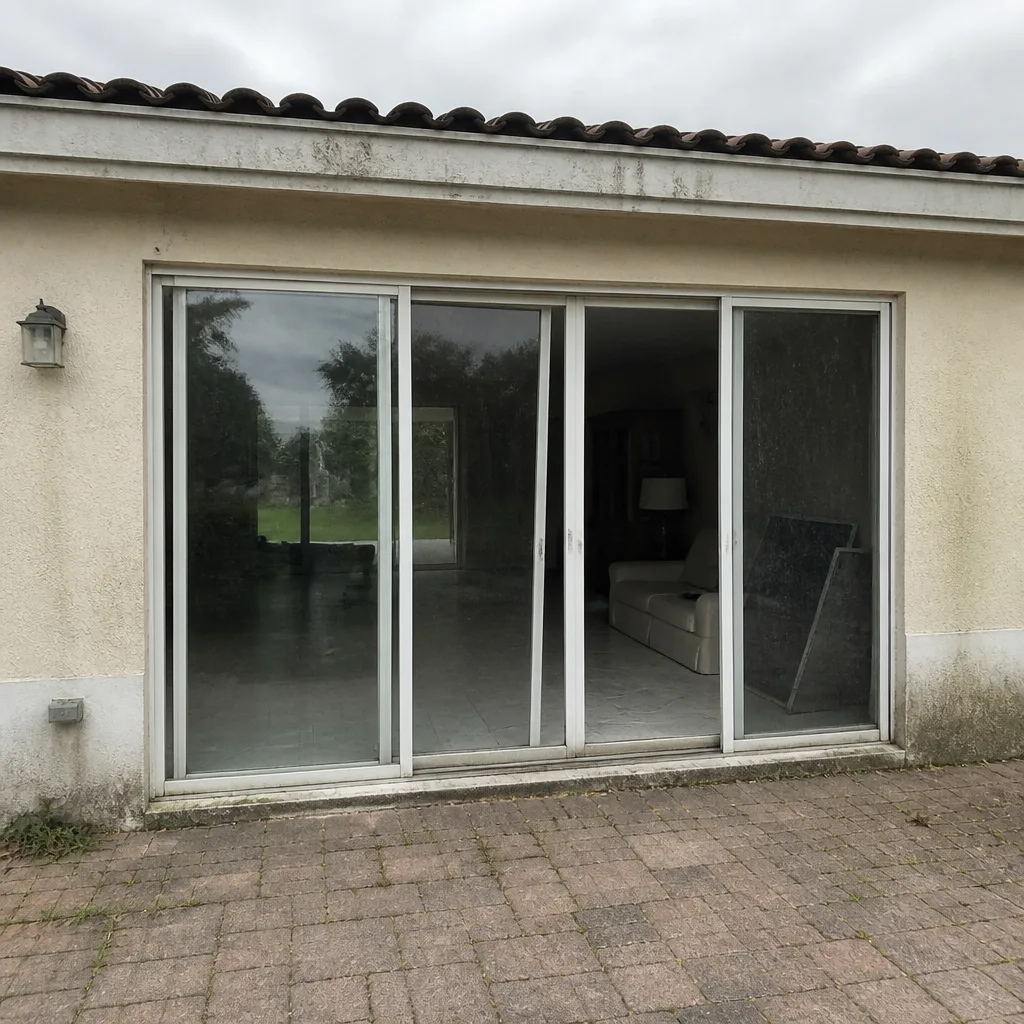 Before
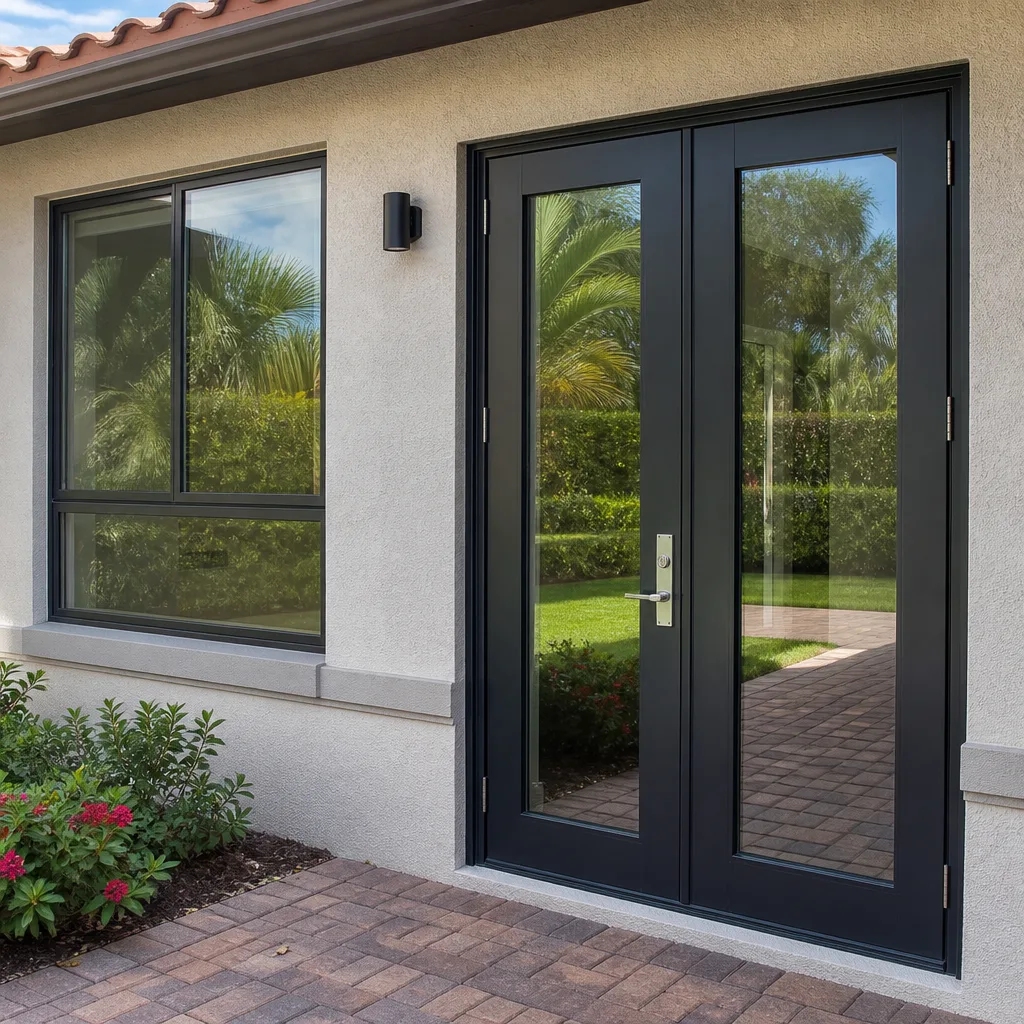 After
After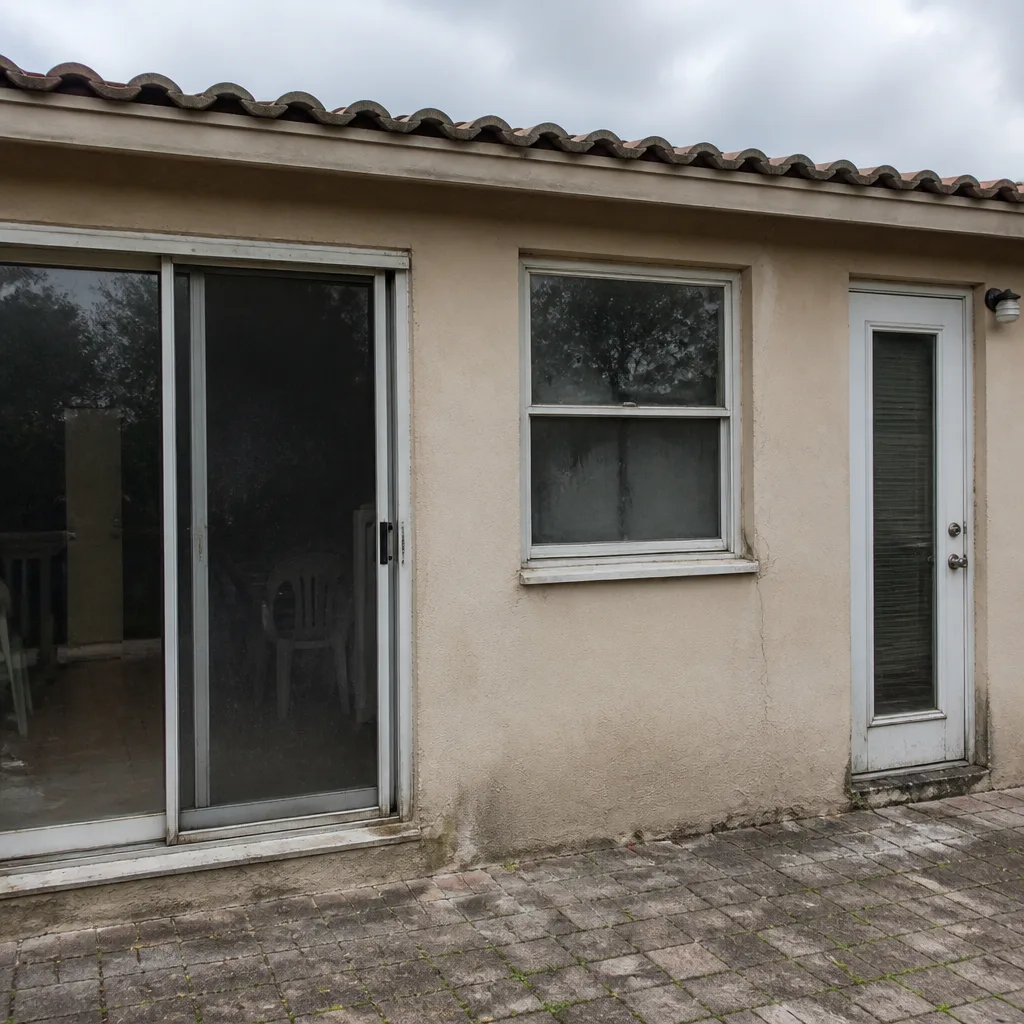 Before
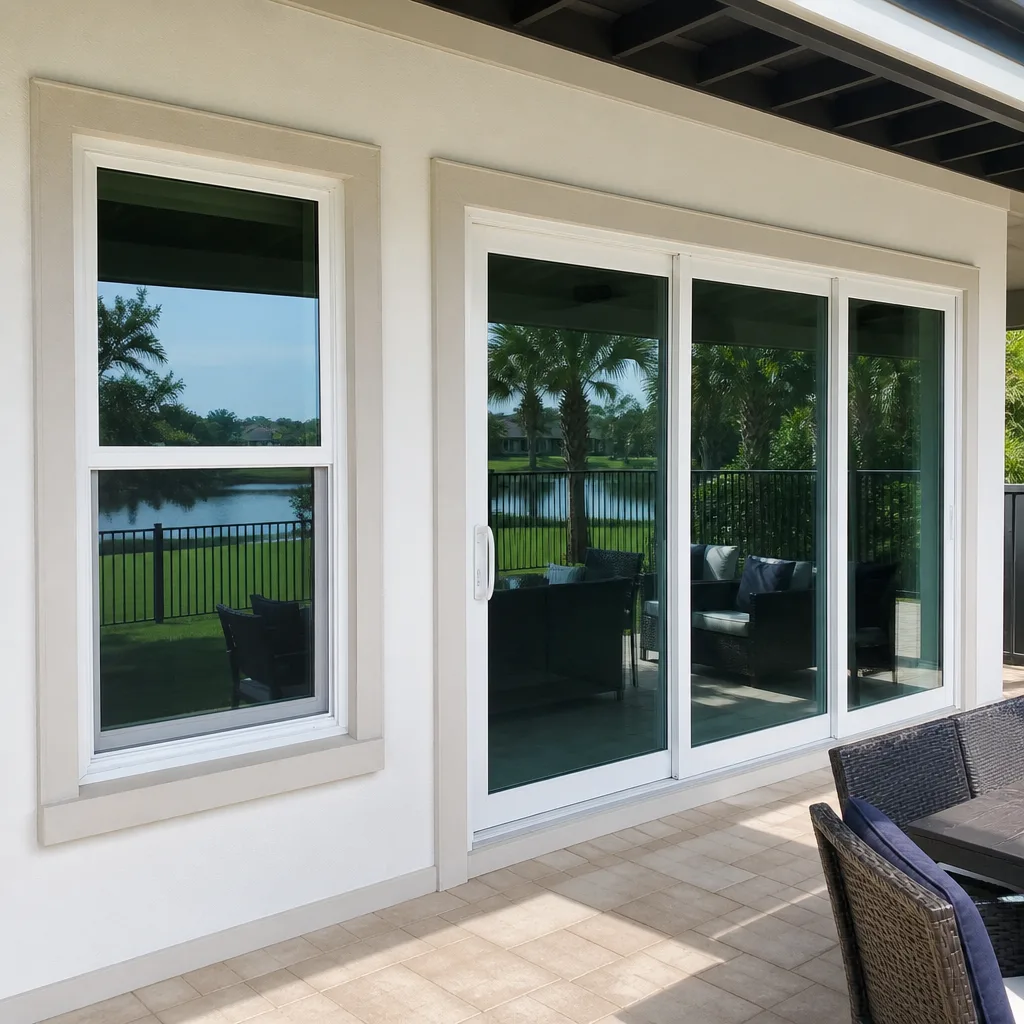 After
AfterWindows & Doors Warning Signs: A Weston Homeowner’s Reference Guide
Interior condensation on Weston windows is almost always a sign the HVAC system is undersized or the window is performing correctly - but exterior condensation pooling at the sill corner is a weep-hole blockage indicator that leads to frame rot within 18 months if ignored. Most symptom guides written for dry climates miss this distinction entirely, and Weston’s humidity cycle makes the difference critical. In this guide, you’ll learn to read warning signs by where they appear on the opening, distinguish thermal expansion from sealant failure in our heat cycles, spot the four hardware failures that void an impact door’s missile rating, and document what you find so a contractor can scope the repair accurately without a sales visit. For The Complete Guide to Windows & Doors in Weston and more guides & resources, see our blog.
Quick Answer
Window and door warning signs in Weston fall into five location-based categories: glass surface patterns, frame perimeter gaps, hardware operation, sill drainage, and interior wall staining. Exterior condensation at sill corners, hinge bind on impact doors, and white efflorescence on stucco below windows are the three most commonly misread symptoms in our climate. Most issues requiring professional attention develop over 12-24 months; catching them early typically means a scoped repair rather than full replacement. If you’re weighing whether to tackle symptoms yourself, our DIY vs Professional Windows & Doors: The Weston Homeowner’s Decision Guide can help.
Table of Contents
- Glass Surface: What Condensation Location Tells You
- Frame Perimeter: Expansion Gaps vs. Sealant Failure
- Hardware Tells on Impact-Rated Doors
- Sill Drainage: Weep Holes and Hidden Rot
- Wall Stains Below Windows: Cosmetic or Structural?
- How to Document Warning Signs for Remote Assessment
- Common Mistakes to Avoid
- When to Call a Professional
- Frequently Asked Questions
 Before
 After
AfterGlass Surface: What Condensation Location Tells You
Condensation location is the single most misdiagnosed window symptom in Weston. National guides treat all condensation as the same problem. In our subtropical climate, the location on the glass tells two completely different stories.
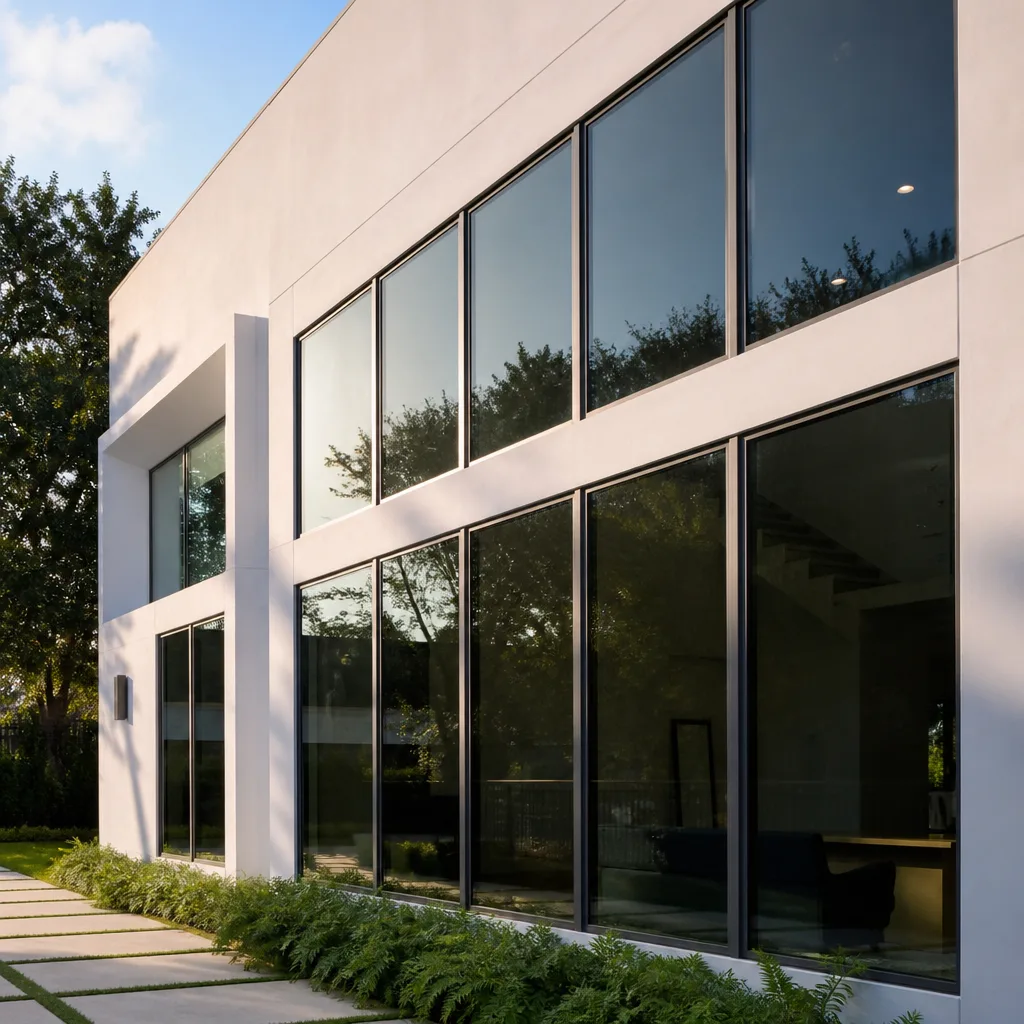
Interior condensation - moisture on the room-facing surface - usually means the interior air holds more moisture than the glass surface temperature allows. In Weston, this happens most often in newer construction with tight building envelopes and undersized HVAC systems. The window is doing its job: the interior pane is cold because the thermal break is working. The fix is typically HVAC balancing or supplemental dehumidification, not window replacement. We’ve measured interior surface temperatures on high-performance window installations in Weston that sit below the dew point on July mornings; the glass is performing to spec.
Exterior condensation - moisture on the outside-facing surface - is also normal performance. It means the exterior pane is not absorbing and reradiating heat efficiently, which is what low-emissivity coatings are designed to do. The glass stays cool enough for morning dew to form. This is not a defect.
The critical exception: exterior condensation that pools at the sill corner and persists past 10 a.m. This pattern indicates blocked weep holes in the frame drainage system. Water that should exit through the sill’s built-in channels backs up into the frame chamber. In Weston’s humidity, wood or composite frames begin measurable moisture content increase within 72 hours of continuous pooling. We’ve removed frames in Weston homes where the exterior showed only slight discoloration but the interior chamber registered 28% moisture content - the threshold for fungal growth.
Quick check: On a morning with exterior condensation, note the time the glass clears. If the sill corner still holds water when the main glass surface is dry, the drainage path is compromised.
Frame Perimeter: Expansion Gaps vs. Sealant Failure
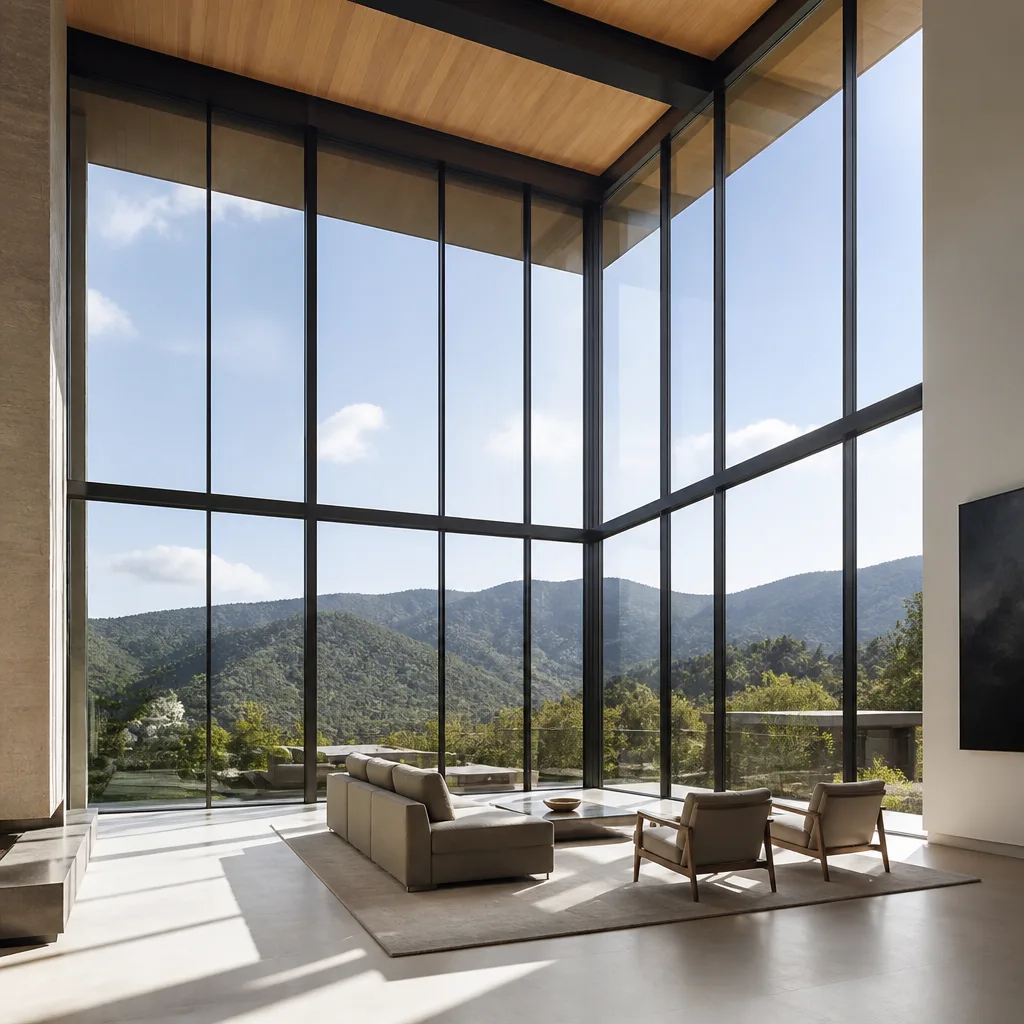
Weston’s daily heat cycle creates frame movement that confuses homeowners and some contractors. A vinyl or aluminum frame installed with proper clearance will shift visibly between 6 a.m. and 3 p.m. in July. The gap between frame and surrounding structure may appear to open and close by 1/16 to 1/8 inch. This is designed behavior. Misidentifying it as structural failure leads to unnecessary sealant removal that damages the weather barrier beneath.
Thermal expansion gap characteristics:
- Movement is consistent day to day - the gap opens in heat, closes in cool
- Sealant bead remains bonded to both surfaces, showing compression and extension
- No visible tearing or separation at the sealant-to-frame interface
- Interior and exterior gaps move in tandem
- No water staining on interior drywall directly adjacent
Sealant failure characteristics:
- Gap movement is irregular or progressive - the opening does not fully close
- Sealant has detached from one surface, forming a visible flap or crack
- Interior gap may differ from exterior gap, indicating frame distortion
- Water staining appears on interior drywall, typically at the header or jamb
- Dust or debris accumulation in the gap suggests the opening has persisted through multiple seasons
The test we use on window replacement surveys in Weston: photograph the gap at 7 a.m. and again at 2 p.m. on a day when the high exceeds 90°F. If the afternoon gap is larger but the sealant flexes without tearing, the assembly is performing. If the gap enlarges and the sealant has separated, the bond has failed and water intrusion is occurring even if interior staining is not yet visible.
Weston’s building code requires sealant compatibility with the specific frame material - silicone for aluminum, polyurethane or hybrid for vinyl, modified silicone for composite. Using the wrong chemistry accelerates failure by a factor of three in our UV exposure. When we document a sealant failure, we note the original product if identifiable; on replacement jobs, we specify the correct chemistry in the written scope the customer keeps.
Hardware Tells on Impact-Rated Doors
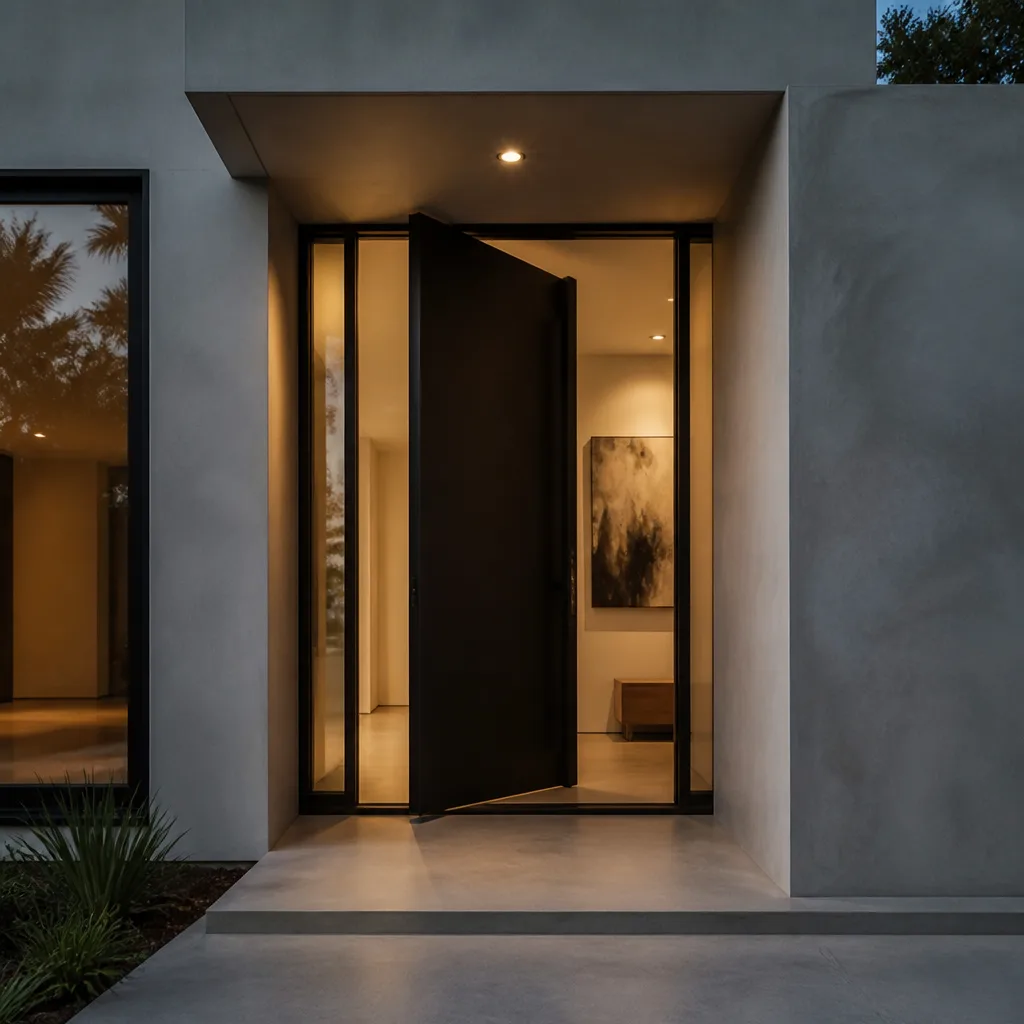
Impact-rated doors in Weston - required in the High-Velocity Hurricane Zone since post-Andrew code adoption - carry a design pressure rating and missile-impact certification that depends on the entire assembly performing as tested. Four specific hardware failures indicate the panel no longer meets its rated performance. These are not cosmetic issues. They are functional failures that may affect insurance coverage and code compliance.
1. Hinge bind
The door requires increasing force to open or close, or the hinge side scrapes the frame at certain points in the swing. This indicates the hinge screws have loosened in the reinforced frame pocket, or the hinge itself has distorted from repeated wind loading. On impact-rated assemblies, the hinge must transfer load to the reinforced jamb; bind means that load path is compromised. Test: With the door open 90 degrees, apply steady pressure at the lock edge. The door should not rack visibly. Movement exceeding 1/4 inch indicates hinge pocket failure.
2. Latch misalignment
The latch bolt no longer enters the strike plate smoothly, requiring lift or pressure to engage. This can indicate frame rack - the jamb has shifted from its original plumb - or settlement in the rough opening. On impact doors, the multi-point locking system depends on precise alignment; misalignment means the deadbolts and hooks are not engaging their keepers fully. Test: Close the door gently without turning the handle. The latch should fall into the strike without assistance. If it misses below, the frame has settled or the header has dropped.
3. Sweep compression loss
The door sweep at the threshold no longer contacts the sill consistently across the full width. Gaps appear at corners or center. This admits water directly during wind-driven rain, but more critically for impact-rated assemblies, it indicates the door panel has shifted in its frame or the frame has distorted. The sweep is part of the pressure envelope; gaps compromise the rating. Test: Slide a business card under the sweep at multiple points. Resistance should be consistent. Easy insertion at any point indicates compression loss.
4. Frame rack
The frame itself is no longer rectangular - measure diagonally and find unequal lengths, or observe daylight between the door edge and jamb stop that varies from top to bottom. Frame rack on impact assemblies usually indicates structural movement in the rough opening or anchor failure. It is the most serious hardware-related failure because the entire panel may not perform under load. Test: Measure frame diagonals. Difference exceeding 1/4 inch requires professional assessment.
We’ve documented these four failures across impact door installations in Weston from multiple manufacturers, including Therma-Tru and Mr-Glass product lines. The Haven Standard requires we photograph hardware condition during every survey; customers receive these images in their documented photo record.
Sill Drainage: Weep Holes and Hidden Rot
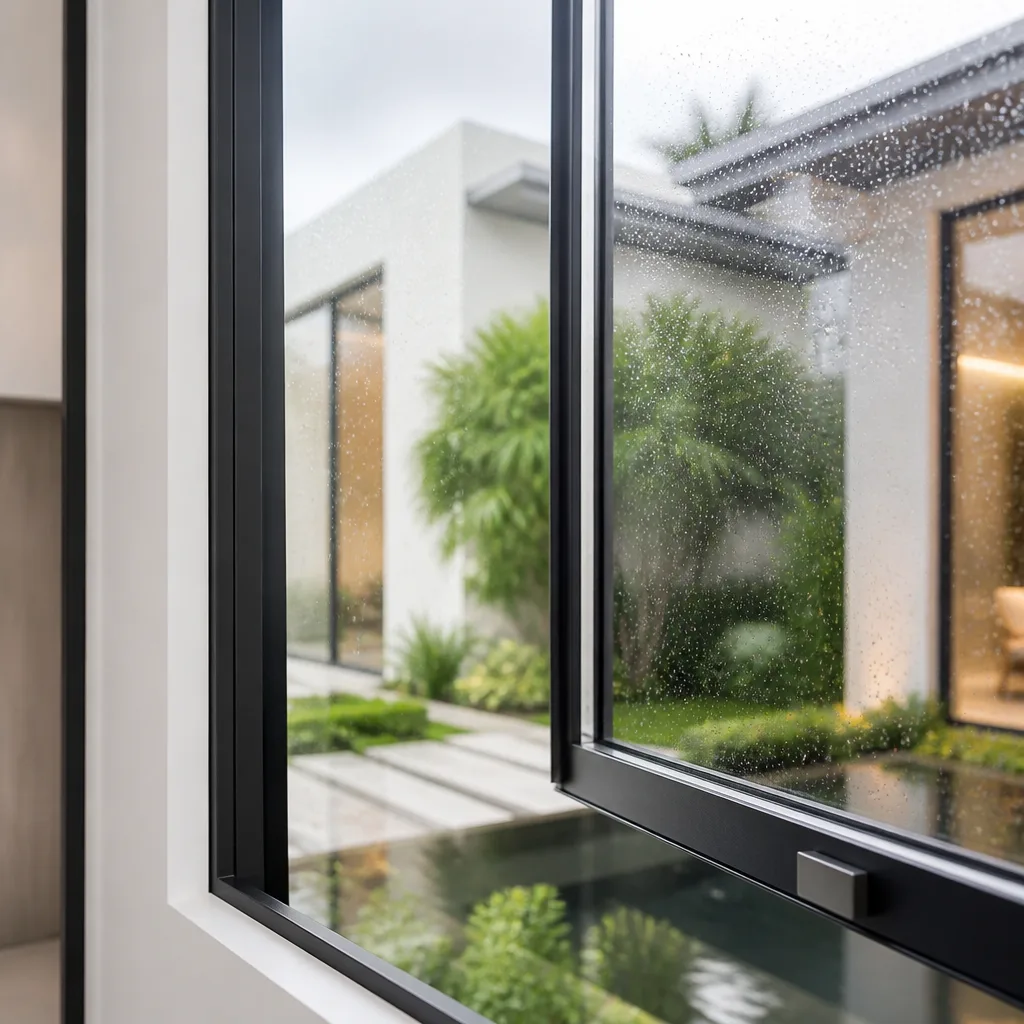
The window sill is where Weston’s humidity does its most expensive damage. The weep hole system - small openings in the exterior sill that allow drainage from the frame’s internal chambers - fails progressively and invisibly until the damage is structural.
How the system works: Rainwater that penetrates the exterior sealant or enters through the glazing pocket drains to the sill, collects in a sloped channel, and exits through weep holes. Most modern windows include weep hole covers that prevent insect entry while allowing water passage. In Weston’s pollen season, these covers clog with organic material. In coastal exposure, salt crystallizes in the channel. Either blockage causes water to back up into the frame.
Warning signs in order of progression:
- Standing water on sill after rain: The drainage path is partially blocked. Water exits slowly enough to pool temporarily.
- Exterior condensation persisting at sill corners: As described in the glass surface section, this indicates the frame chamber is holding moisture.
- Staining or discoloration on exterior sill surface: Mineral deposits from evaporated water, or early fungal growth on organic contaminants.
- Softness or give when pressing the sill with a screwdriver handle: The substrate has absorbed sufficient moisture to degrade. At this stage, replacement is typically required.
- Interior sill or drywall staining: Water has migrated through the frame to the interior. The failure is advanced.
Maintenance protocol: Every six months, after the pollen peak in April-May, inspect weep hole covers for blockage. Use a soft brush or compressed air - never a wire that damages the cover. Flush the channel with a small amount of water; it should exit freely. If water backs up, the internal channel likely has debris accumulation that requires disassembly to clear.
In Weston neighborhoods with mature landscaping - Bonaventure, Windmill Ranch Estates, areas with heavy oak canopy - we see accelerated weep hole blockage from leaf litter and pollen. Homes within two miles of the Everglades edge also show higher humidity loading that keeps frames wet longer between rain events.
Wall Stains Below Windows: Cosmetic or Structural?
White efflorescence on stucco below a window is common in Weston construction. The critical question is whether it indicates ongoing water intrusion or past moisture that has dried. The distinction determines whether you’re looking at cosmetic repair or structural remediation.
What efflorescence is: Soluble salts in the stucco or concrete substrate dissolve in water and migrate to the surface. When the water evaporates, salt crystals remain as white powder or fuzzy deposits. The salt itself is not damaging. Its presence means water has moved through the material.
The five-minute test:
- Photograph the stained area in natural light, with a coin or key for scale.
- Lightly brush the surface with a dry stiff brush. Note how much material removes easily.
- Mist the area with clean water from a spray bottle. Observe whether the deposit dissolves and reappears as the water dries, or whether it remains largely unchanged.
- Press a moisture meter probe into the stucco at the stain center and 6 inches above and below. Record readings.
- Check again after 48 hours without rain. Fresh efflorescence from active leaks will reform; old deposits remain absent.
Cosmetic efflorescence brushes off easily, does not reform after wetting and drying, and shows baseline moisture readings consistent with the surrounding wall. It typically results from construction moisture that dried slowly, or from a single past event. Repair is pressure washing and repainting.
Structural efflorescence reforms after removal, shows elevated moisture readings (above 17% for stucco on CMU, above 14% for stucco on wood frame), and often appears with accompanying signs: paint bubbling, stucco delamination, or musty odor at interior baseboards. This indicates ongoing water movement through the wall assembly, usually from failed window sill sealant, improper flashing at the rough opening, or both.
We’ve assessed efflorescence patterns in Weston homes where the stain had been painted over three times by previous owners. Each repainting trapped more moisture; the underlying CMU had degraded to the point that the window required removal and rough opening reconstruction. Early identification would have meant sealant replacement and localized stucco repair at roughly 15% of the eventual cost.
How to Document Warning Signs for Remote Assessment

The Haven Standard includes a documented photo record on every job because evidence outperforms memory. Homeowners can apply the same protocol to warning signs, enabling a contractor to assess scope remotely and provide a written repair quote without a preliminary sales visit.
Required documentation for each symptom:
- Context photograph: The full opening from 10 feet, showing surrounding wall and ground plane. Includes date stamp.
- Detail photograph: The specific symptom from 18 inches, with a ruler or coin for scale. Focus manually; auto-focus often misses surface texture.
- Cross-section photograph: The symptom area from 90 degrees to the first detail shot, showing depth or profile.
- Sequential photograph: The same detail after any simple test (water mist, probe insertion, operation cycle), showing change or lack of change.
Annotation protocol: On each image, note time, temperature, recent weather, and HVAC status. “July 14, 8:15 a.m., 78°F, rain 36 hours prior, AC set to 74°F running continuously” provides more diagnostic value than the image alone.
Organization: Create a folder per opening, named by room and compass face: “Master BR east window.” Include a simple diagram showing the home’s window and door locations. This prevents the common confusion where a homeowner describes “the bedroom window” and the contractor surveys the wrong one.
Delivery: Most contractors, Sightline included, can assess well-documented symptoms from these images and provide a scoped quote. The measured survey happens after quote acceptance, not before. This respects the customer’s time and allows comparison shopping from actual data rather than sales presentations.
For Sightline Windows & Doors Weston home assessments, we request documentation via text or email. A live person reviews it - not an automated system - and responds with either a scoped quote or a targeted list of additional images needed. Haven Clause 1 applies: the written quote cannot differ from the final invoice.
Common Mistakes to Avoid
- Assuming interior condensation means bad windows. In Weston’s humidity, interior condensation more often indicates HVAC imbalance or excessive indoor moisture generation. Replacing windows without addressing the moisture source wastes the investment.
- Applying silicone sealant over failed polyurethane. The chemistry is incompatible; the new sealant will not bond to residue of the old. Proper removal requires cutting out the failed bead, cleaning with appropriate solvent, and applying the correct product for the frame material.
- Ignoring impact door hardware drift. Latch misalignment that “just needs a little lift” is progressive frame rack. Delaying assessment allows rough opening damage that makes repair impossible.
- Pressure-washing efflorescence without identifying the source. The stain disappears; the water intrusion continues. Within 18 months, the wall assembly degrades to requiring reconstruction rather than repainting.
- Waiting for interior staining before acting on exterior symptoms. By the time moisture reaches interior drywall, the frame and rough opening have typically been compromised for months. Exterior-only intervention at early stages costs 60-70% less.
- Accepting a verbal scope without written line items. Haven Clause 1 exists because verbal scopes shift. Every component, operation, and material should appear in writing before work authorization.
When to Call a Professional
Call for assessment when: exterior condensation persists at sill corners past 10 a.m. on clear days; any of the four impact door hardware failures are present; efflorescence reforms after removal and testing; frame gaps show sealant detachment rather than flex; or moisture meter readings exceed baseline by more than 4 percentage points.
These symptoms indicate active water movement or structural compromise that DIY intervention cannot resolve safely or effectively. The cost of professional assessment is typically zero with a reputable contractor; the cost of delayed action is replacement of the opening and surrounding wall assembly.
Sightline Windows & Doors Weston offers free estimates in Weston - call (754) 812-9260. Every estimate includes the measured survey you keep, written line-item scope, and documented photo record. The 365-Day Done Right Promise applies to every repair and replacement under the Haven Standard.
Frequently Asked Questions
Scoped repairs for sealant failure, hardware adjustment, or weep hole clearance typically range from $180 to $650 depending on opening size and access. Full replacement for a standard vinyl double-hung in Weston runs $890 to $1,450 per opening including installation, with impact-rated options from ECO Window Systems and ES Windows starting at $1,290. Call (754) 812-9260 for an exact quote - estimates are free, and we review competitor written estimates at no charge under our Free Second Opinion policy.
No. Haven Clause 1 states the written quote and the final invoice are the same document. We complete the measured survey before quoting; the price includes all materials, labor, permits, and disposal. The only price change occurs if the customer adds scope - for example, deciding to replace an adjacent opening after seeing the initial work.
The four hardware tests in this guide - hinge bind, latch misalignment, sweep compression loss, and frame rack - are reliable indicators. If any are present, the assembly should be assessed by a contractor familiar with impact-rated systems. We document hardware condition photographically and can compare against manufacturer specifications for the installed product line.
Yes. Weston requires permits for all window and door replacements that alter the opening or change the product type. We pull permits, schedule inspections, and include these costs in the written quote. The customer receives inspection documentation for their records.
A standard single-opening replacement requires 4-6 hours of on-site work. Full-home replacement of 15-20 openings typically spans 3-5 working days depending on product lead time and inspection scheduling. We specify the timeline in writing before authorization, with arrival windows confirmed by live phone call the evening prior.
Three factors: higher sustained humidity that keeps frames wet longer between rain events; salt air exposure within 10 miles of the coast that accelerates hardware corrosion; and more intense UV that degrades sealant chemistry faster. These conditions make proper material specification and maintenance intervals more critical than in drier inland markets.
The Bottom Line
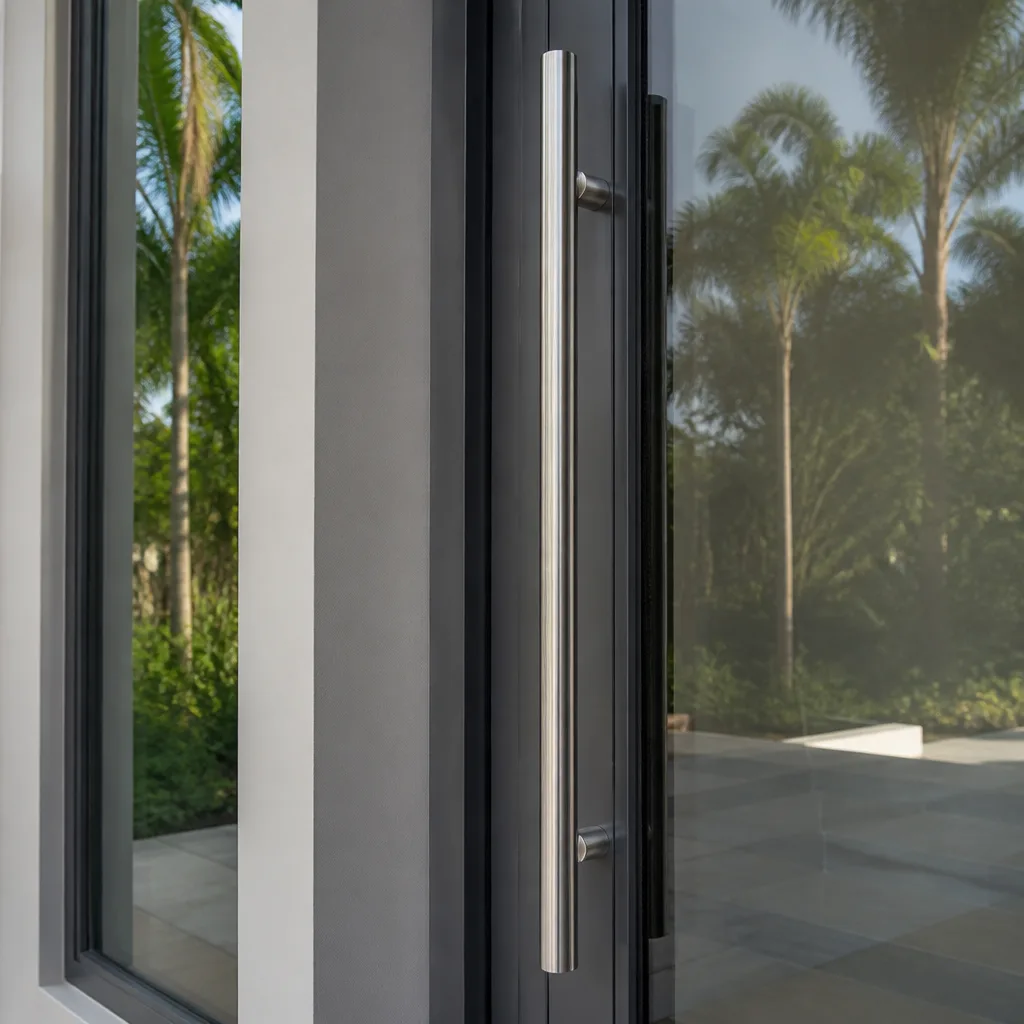
Reading window and door warning signs by location rather than severity prevents the misdiagnoses that cost Weston homeowners thousands in unnecessary replacement. For more guides & resources on protecting your home, visit our blog. Exterior condensation at the sill corner, hinge bind on impact doors, and reforming efflorescence are the three symptoms most commonly dismissed until structural damage requires full reconstruction. Document what you observe with dated photographs and simple tests; this evidence enables accurate remote assessment and protects you from scope creep. The measured survey, written price, and photo record are not marketing language at Sightline - they are Haven Standard requirements on every job since 2012.
Call (754) 812-9260 to schedule your free estimate. Bring a competitor’s written quote and we’ll review it at no charge. Every engagement begins with the measured survey you keep, and the written price before any work starts is the same price on the final invoice.
Written by Sonia Raman, Owner at Sightline Windows & Doors Weston, serving Weston since 2012.