
Last updated September 24, 2026
Free in-home measure and quote - PGT, CGI and CWS impact lines compared on your actual openings, style by style
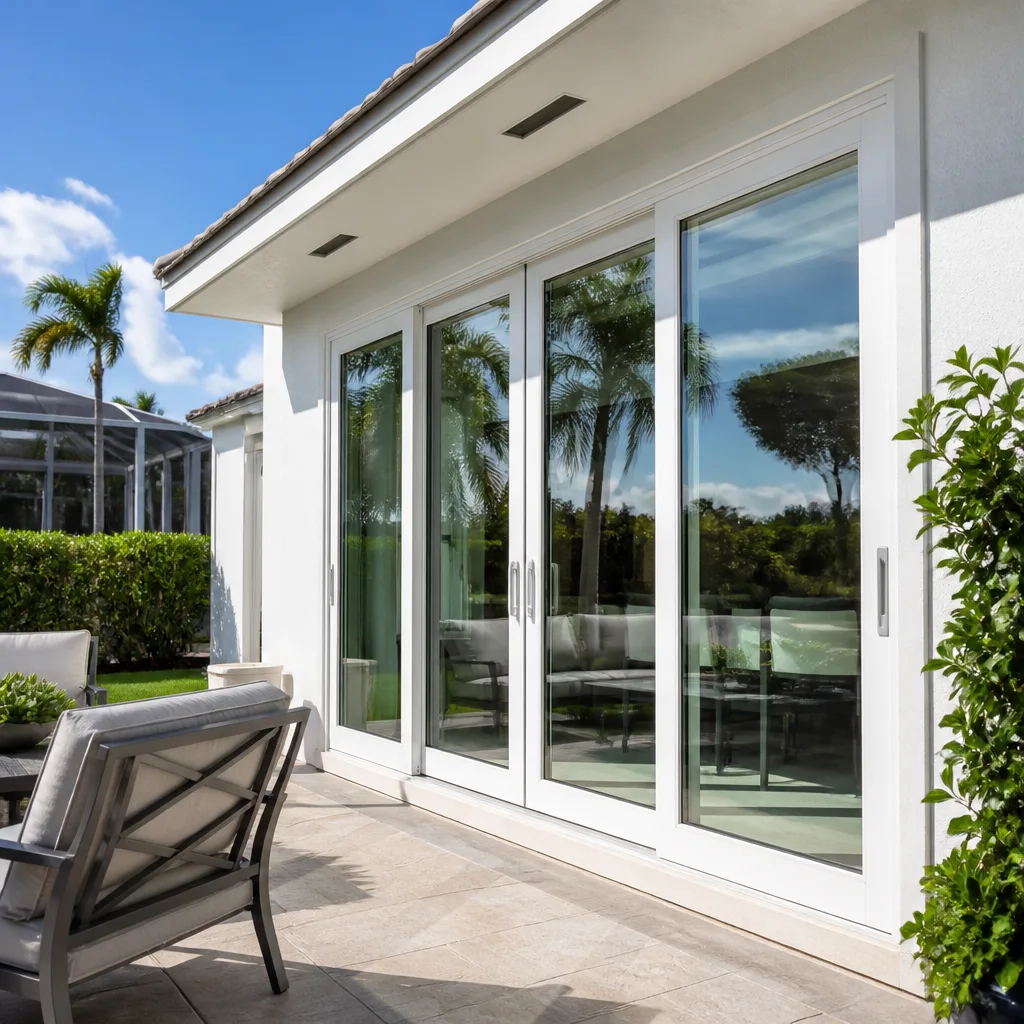
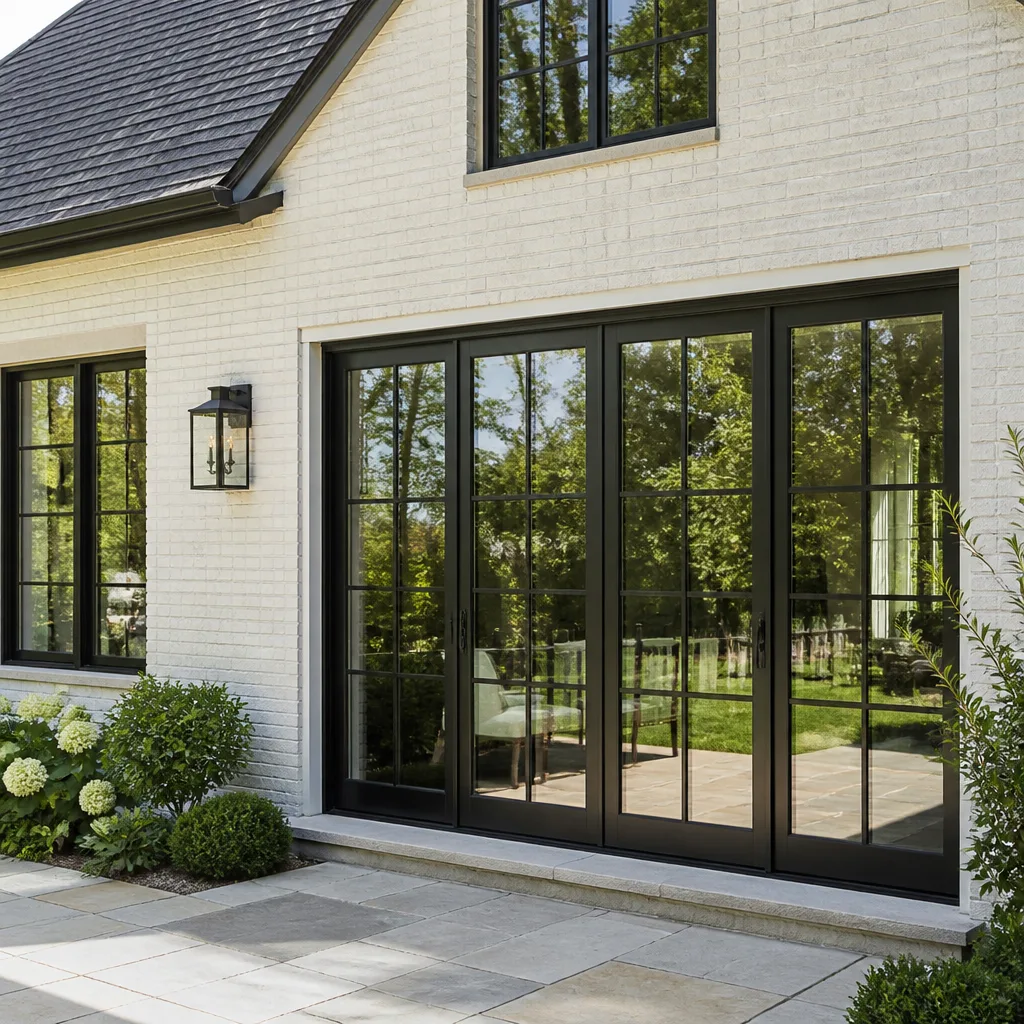
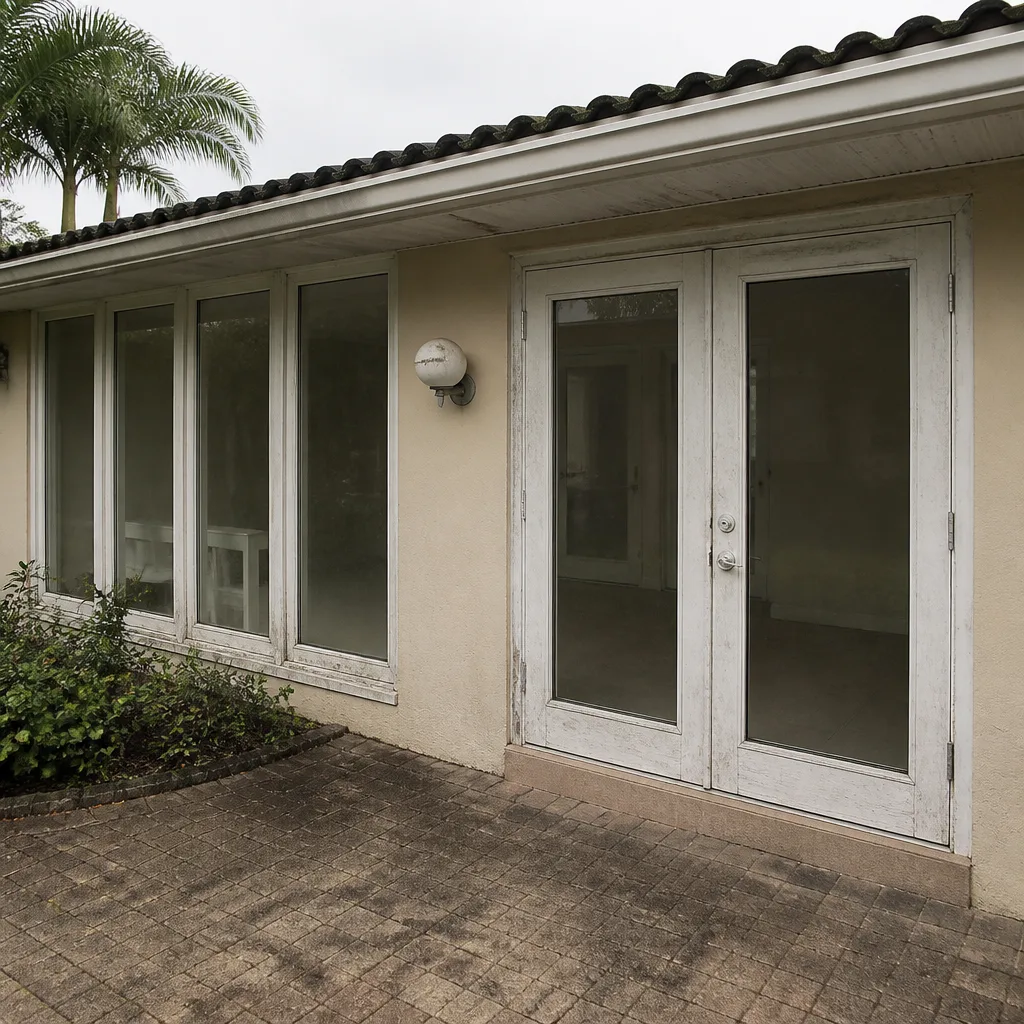 Before
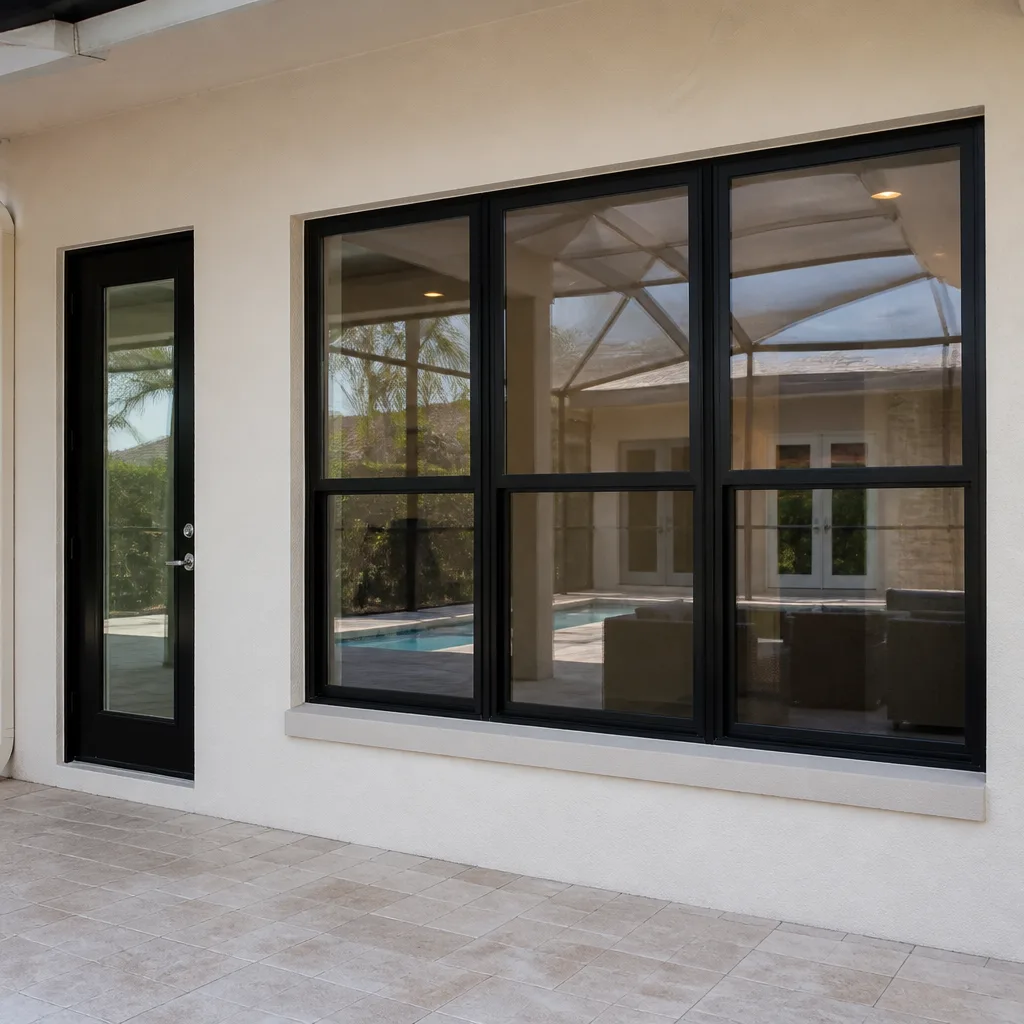 After
After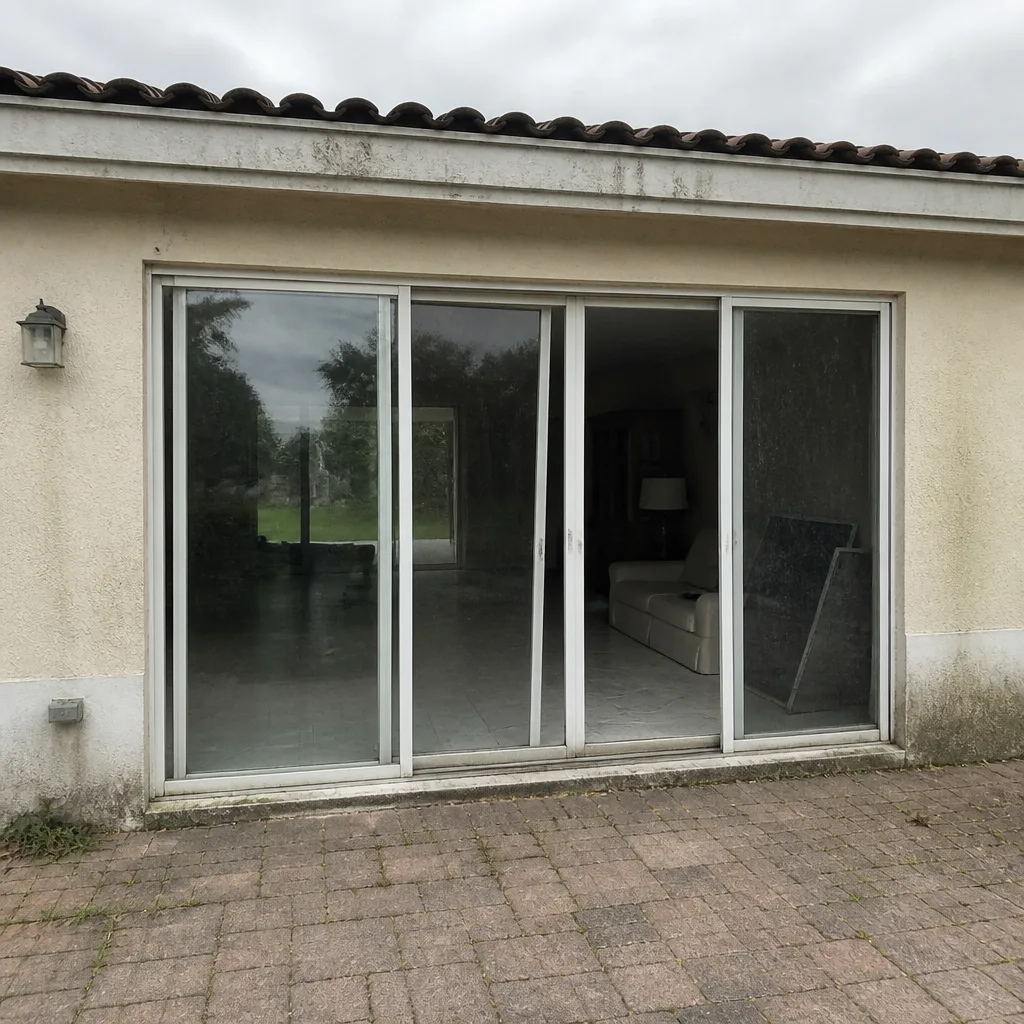 Before
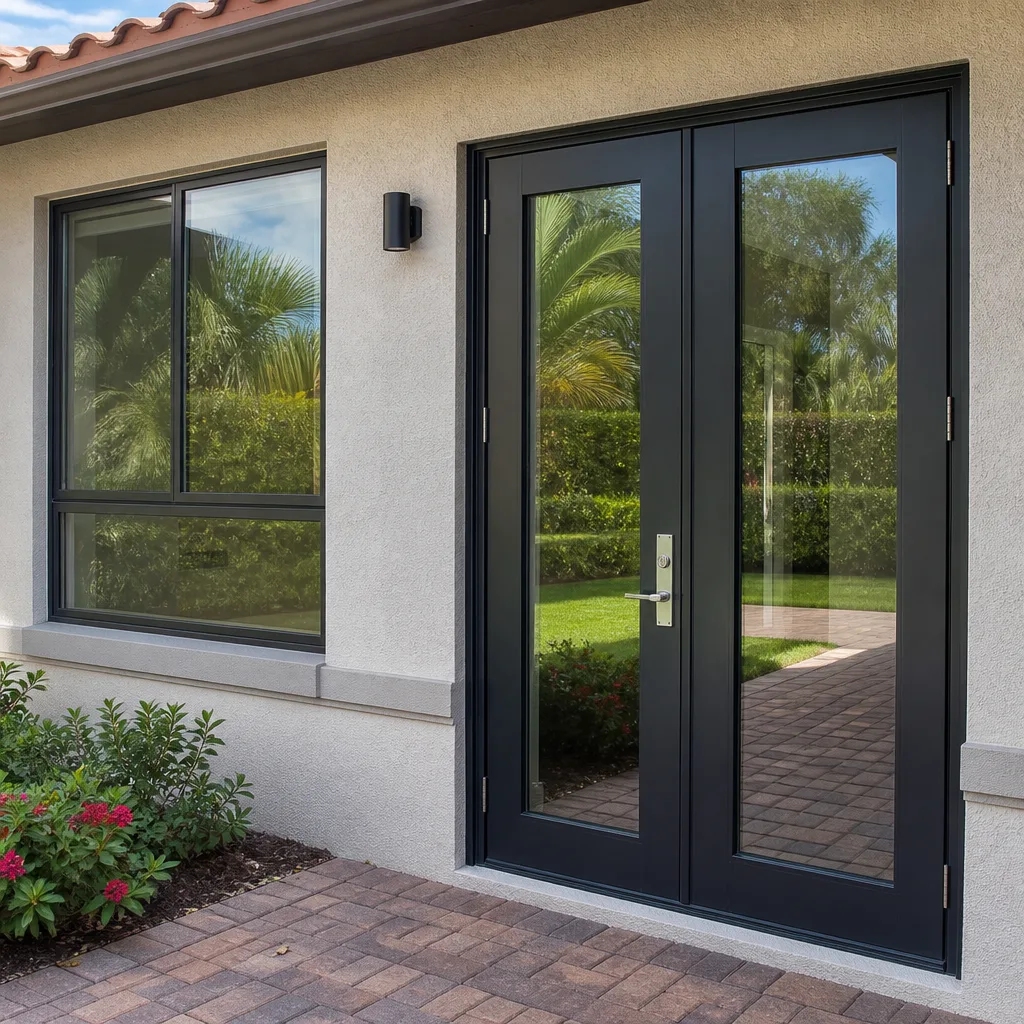 After
After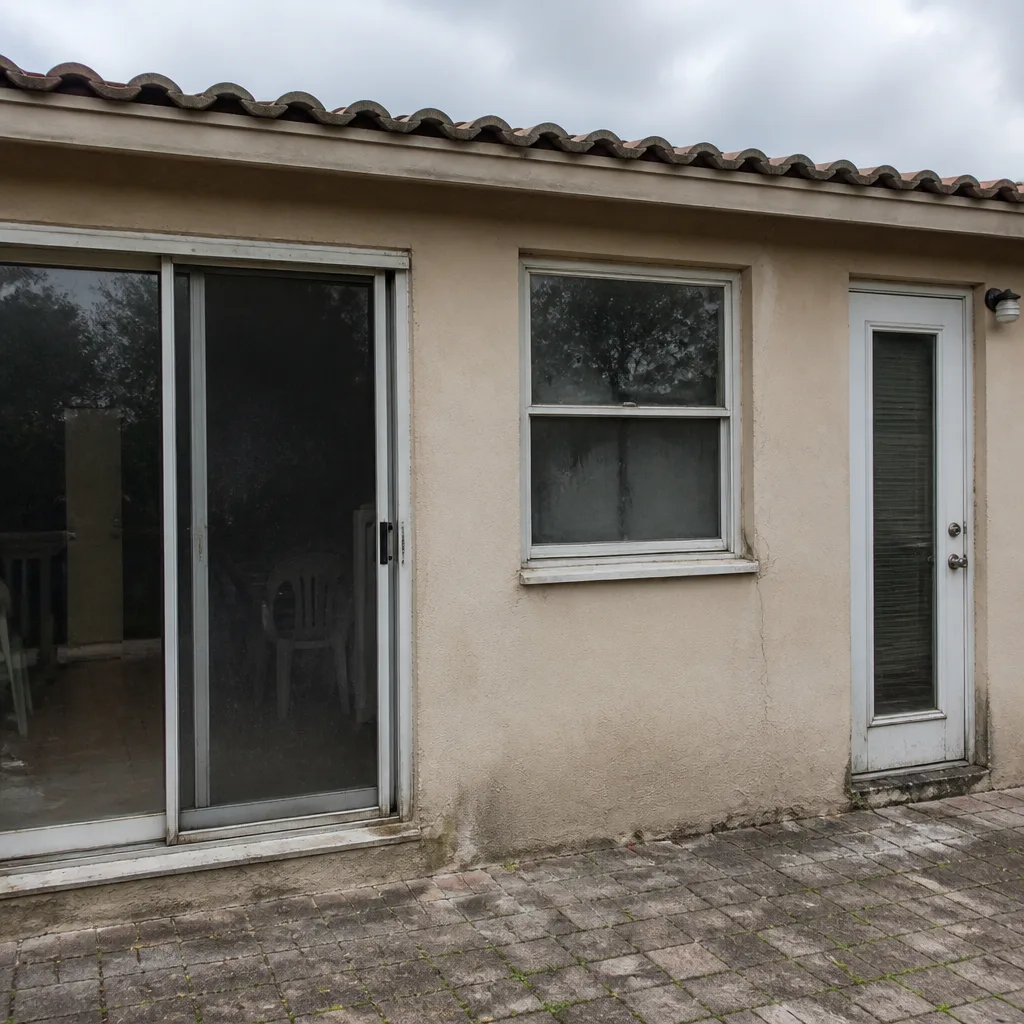 Before
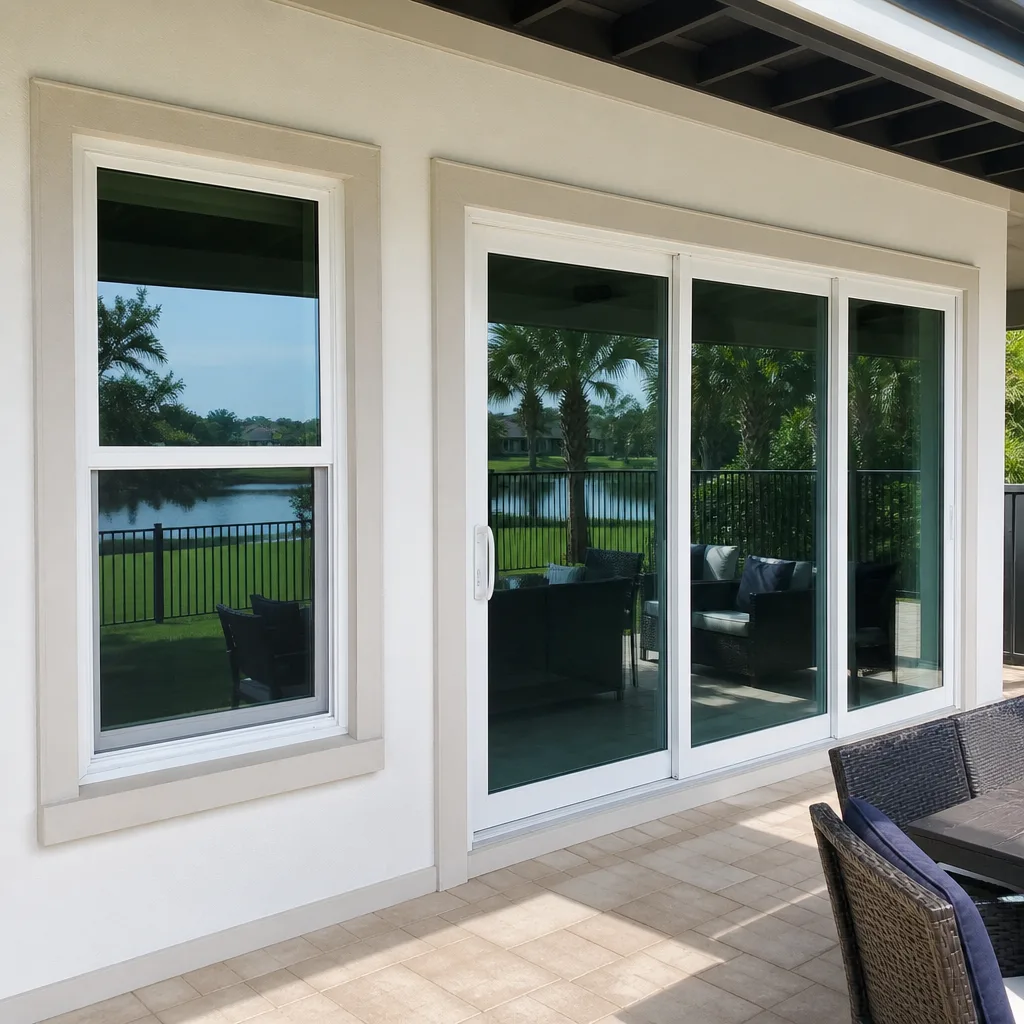 After
AfterWindows & Doors Permits, Codes & Inspections in FL: What You Need to Know
An unpermitted window replacement in Broward County can trigger a “stop work” order on an unrelated future renovation and must be disclosed at sale. Two consequences that routinely cost homeowners more than the permit would have. In Weston, where homes built between 1985 and 2005 dominate the resale market, we’ve seen buyers walk from deals over undisclosed window work that lacked proper documentation. This guide explains when Florida law requires a permit for window and door work, how the Miami-Dade Notice of Acceptance system governs product selection, and why permit compliance functions as a financial asset - activating insurance wind-mitigation credits and protecting clean title transfer. For a deeper dive, see our Complete Guide to Windows & Doors in Weston.
Quick Answer
Most window and door replacements in Florida require a building permit if the opening size changes, the structural header is modified, or the product is not a like-for-like replacement. Permitted work triggers mandatory inspection, generates the documentation needed for insurance wind-mitigation credits, and creates a public record that protects resale value. In Broward County, permit applications must reference a Miami-Dade Notice of Acceptance (NOA) number for impact-rated products, and inspectors verify installation against that approved product drawing at both rough and final inspection.
Table of Contents
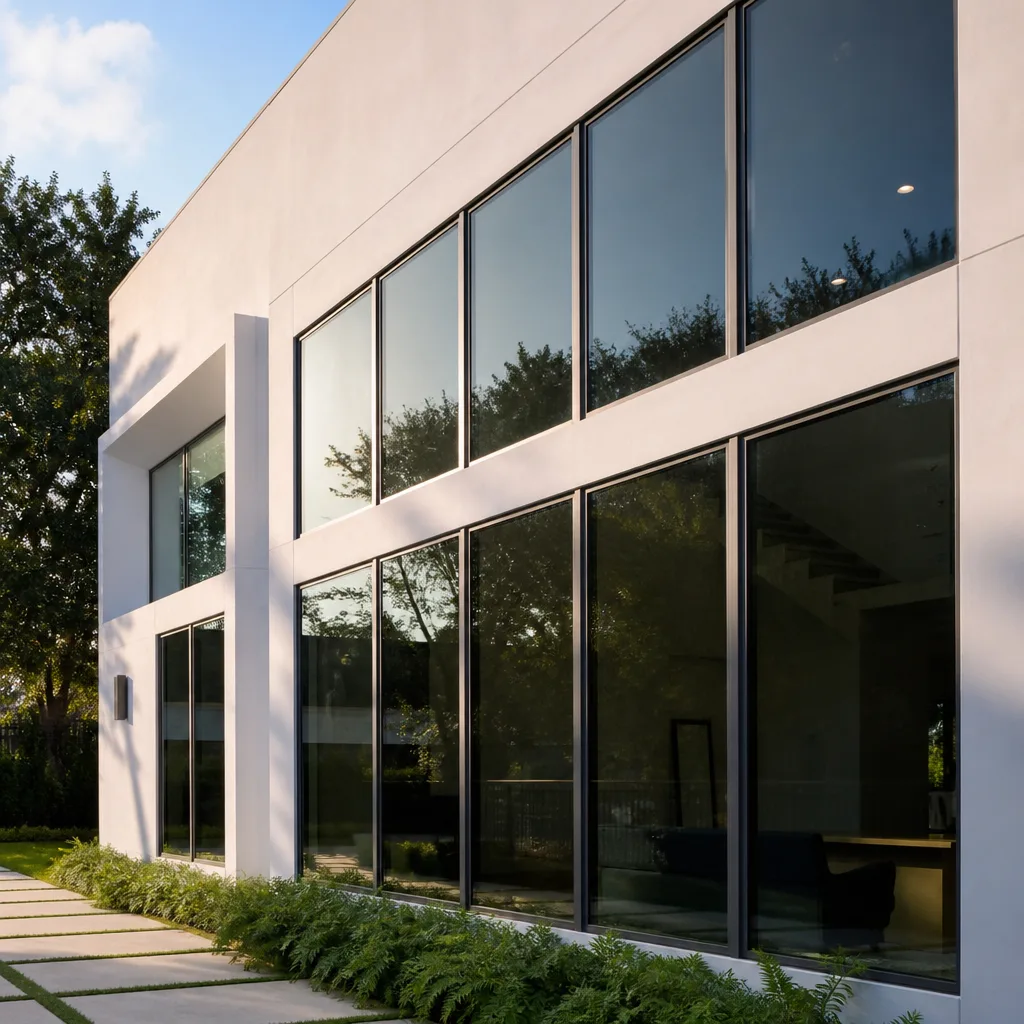
- When Permits Are Required in Broward County
- Like-for-Like Replacement: What Qualifies and What Doesn’t
- The Miami-Dade Notice of Acceptance (NOA) System
- The Permit Application Process Step by Step
- Rough and Final Inspection: What Inspectors Verify
- The OIR-B1-1802 Wind Mitigation Form
- Common Permit Rejection Reasons and How to Avoid Them
- Permit Close-Out: What You Receive and Where to Store It
 Before
 After
AfterWhen Permits Are Required in Broward County
Broward County’s building division, operating under the Florida Building Code 7th Edition (2020), requires permits for window and door work that alters the building envelope. The specific triggers are narrower than many homeowners assume, and broader than others hope.
A permit is required when any of the following conditions apply:
- The rough opening dimensions change by any amount - even one inch in width or height
- The structural header above the opening is cut, notched, or replaced
- A non-impact-rated product is replaced with an impact-rated product, or vice versa
- A fixed window is converted to an operable window, or an inoperable door is converted to a functioning egress door
- The installation occurs in a high-velocity hurricane zone (HVHZ) and the product lacks a current Miami-Dade NOA or Florida Product Approval
- The work involves a fire-rated assembly in a multi-family or townhome configuration
Weston’s building stock complicates this picture. Homes in neighborhoods like Windmill Ranch Estates and The Ridges were built before the 2002 statewide building code adoption, with many original windows failing current impact standards. Replacing a 1987 single-pane window with a modern impact-rated unit - the most common upgrade we perform - always requires a permit because the product category changes. If you’re unsure whether your windows show warning signs of failure, our Windows & Doors Warning Signs: A Weston Homeowner’s Reference Guide can help you assess. The homeowner is not merely swapping glass; they are altering the structural and protective capacity of the envelope.
Broward County distinguishes between “repair” and “replacement” in ways that matter for permitting. Reglazing an existing sash - removing and replacing the glass unit while preserving the original frame - typically does not require a permit if the frame dimensions and structural attachments remain untouched. But removing the entire window unit, including the nailing fin or mounting flange, constitutes replacement and triggers the permit requirement.
The county’s online permitting portal allows homeowners to verify permit status by address. We recommend this step before purchasing any home in Weston, particularly in Bonaventure or Country Isles where renovation activity has been high since 2018. Unpermitted work appears in the property’s record as a gap - no open permit, no final inspection, no close-out documentation. That gap becomes a disclosure obligation at sale.
Like-for-Like Replacement: What Qualifies and What Doesn’t

The “like-for-like” exemption is the most misunderstood provision in Florida window permitting. Homeowners and some contractors treat it as a blanket exception. It is not.
For a replacement to qualify as like-for-like - and thus potentially avoid permitting - all of the following must remain identical:
- Product dimensions: The new unit must fit within the existing rough opening without modification. No cutting of stucco, no extension of the header, no reframing of the sill.
- Performance classification: A non-impact window must be replaced with another non-impact window. An impact-rated unit must be replaced with an impact-rated unit bearing equivalent design pressure ratings.
- Operating type: A fixed picture window cannot become a single-hung or casement. A sliding glass door cannot become a French door, even at identical dimensions.
- Structural attachment method: The nailing pattern, fastener type, and fastening schedule must match the original installation. Switching from nails to structural screws, or altering the attachment to the header, voids the exemption.
- Egress compliance: The replacement must maintain the same egress dimensions. Reducing the clear opening width or height, even within a larger frame, triggers permitting.
In practice, true like-for-like replacement is rare in Weston’s older inventory. A 1994 home in Sunrise Point with original PGT windows may find identical-dimension replacements from the same manufacturer, but the fastening schedules in current NOAs differ from 1994 installation standards. The product is like-for-like; the installation protocol is not. We have seen Broward County inspectors reject like-for-like claims where the fastener pattern changed, even when dimensions and performance ratings matched.
The financial threshold also matters. Broward County requires permits for any single improvement valued over $1,000, regardless of like-for-like status, if the work affects the building envelope. Most quality window replacements exceed this threshold. The exemption is functionally limited to minor repairs: sash replacement, hardware repair, or weatherstripping installation.
Homeowners who proceed without a permit based on a like-for-like assumption risk the “stop work” order scenario. If a future contractor - say, a kitchen remodeler - pulls a permit for interior work, the building inspector may review the property’s exterior and identify unpermitted window work. The kitchen permit is held until the window work is regularized: permit application, inspection, potential removal of finish materials to verify installation, and fines. The $300 window permit avoided becomes a $2,000+ remediation.
The Miami-Dade Notice of Acceptance (NOA) System
Florida’s High Velocity Hurricane Zone - Miami-Dade and Broward counties - operates under product approval requirements stricter than the rest of the state. The Miami-Dade Notice of Acceptance (NOA) is the document that certifies a window or door product for use in this zone. Understanding the NOA is essential for permit compliance and inspection passage.
An NOA is not a generic rating. It is a product-specific engineering document issued by the Miami-Dade County Product Control Division, detailing:
- Exact product dimensions and configurations approved - not “the Series 500 line” but “Model 501, 503, and 505 in specified sizes only”
- Design pressure (DP) ratings in pounds per square foot, tested to ASTM E330
- Missile impact ratings: small missile (S) for products above 30 feet, large missile (L) for products below 30 feet
- Fastening schedule: type, size, spacing, and embedment depth for every attachment point
- Flashing and sealing requirements specific to the product
- Maximum allowable deflection under load
The NOA number - formatted as NOAXX-XXXX.XX - must be cited on the permit application. Broward County’s plan review verifies that the proposed product’s NOA is current (not expired or superseded) and that the specified installation matches the NOA’s fastening and sealing protocols. We have seen permit rejections where a contractor cited an NOA for a 60″ x 48″ window but specified a 72″ x 60″ unit from the same product line. The larger size was not included in that NOA’s approved matrix.
For homeowners, the practical implication is verification. When evaluating quotes for window installation in Weston, request the NOA number for each proposed product and confirm its currency on the Miami-Dade Product Control website. A product with an expired NOA cannot be permitted, even if the manufacturer continues to sell it. We specify products from ECO Window Systems, Mr-Glass, and Therma-Tru with current NOAs matched to each opening’s design pressure requirements - the measured survey we provide includes the DP calculation for every location.
The NOA also governs inspection. Inspectors do not merely verify that an impact window is installed; they check that it is installed exactly as the NOA prescribes. Fastener type, spacing, and embedment depth are measured. Flashing integration with the weather-resistant barrier is visually confirmed. The installation must match the approved drawing, not the contractor’s preference or customary practice.
The Permit Application Process Step by Step

The permit application for window and door work in Broward County follows a defined sequence. Homeowners may apply as owner-builders, but most engage a licensed contractor who assumes responsibility for code compliance and inspection scheduling.
- Measured survey and product specification. The opening is measured to 1/8-inch precision. The product is selected based on design pressure requirements, which vary by exposure, height, and proximity to coastal mean high water line. In Weston, homes west of I-75 face lower design pressures than eastern properties, but all remain in HVHZ and require impact-rated or protected products.
- NOA verification and documentation. The contractor obtains the current NOA for each product and confirms the proposed sizes appear in the approved configuration matrix. For custom or geometric windows, this step is critical - many NOAs exclude non-rectangular shapes or limit them to specific dimensions.
- Application preparation. Broward County requires: the permit application form, a site plan showing window/door locations, product cut sheets with NOA numbers, a wind load calculation per ASCE 7, and a contractor’s affidavit of code compliance. For work in Windmill Ranch or other gated communities, a homeowners association approval letter may be required before permit submission.
- Plan review and fee payment. Broward County’s typical review period for residential window permits is 5-10 business days. Fees are based on project valuation - expect $250-$450 for a typical whole-home replacement. The permit is issued electronically and must be posted on-site before work begins.
- Inspection scheduling. Two inspections are standard: rough inspection (before interior trim or exterior finish is applied) and final inspection (after completion, with all hardware operational). Some projects require a third “pre-cover” inspection if the fastening pattern will be concealed by siding or stucco.
At Sightline Windows & Doors Weston, the measured survey the customer keeps becomes the basis for the permit application. The written quote cannot differ from that document - Haven Clause 1. This alignment eliminates the discrepancy between quoted product and permitted product that causes many application rejections.
Rough and Final Inspection: What Inspectors Verify
Broward County inspectors evaluate installation against three standards: the Florida Building Code, the Miami-Dade NOA, and the approved permit documents. Understanding what they verify at each stage prevents rework and schedule delays.
Rough inspection occurs after the window or door is installed but before interior trim, exterior finish, or concealment of fasteners. The inspector verifies:
- Product identification: The installed unit matches the manufacturer, model, and size on the permit. Labels and markings are legible.
- Fastening compliance: Fastener type, size, spacing, and embedment match the NOA exactly. Inspectors measure spacing with a tape and may probe embedment depth.
- Structural attachment: The unit is secured to the structural framing, not merely to sheathing or trim. Header integrity is confirmed if modified.
- Flashing and weather barrier integration: The window or door flashing is properly lapped with the WRB (weather-resistant barrier), with no gaps that would allow water intrusion.
- Level, plumb, and square: Operating units must function without binding. Sliding doors must roll smoothly; casements must close against weatherstripping evenly.
Failures at rough inspection require correction and re-inspection. Common failures include fastener spacing 1/4 inch beyond NOA tolerance, missing shims at the sill, or flashing that does not extend to the WRB. Each re-inspection carries a fee and typically adds 3-5 business days to the project timeline.
Final inspection occurs after all finish work is complete. The inspector verifies:
- Hardware operation: Locks, latches, and operators function as designed. Multi-point locking systems engage all points.
- Sealant and trim: Interior and exterior sealant is continuous and properly tooled. Trim does not impede operation or cover required weep holes.
- Code compliance for egress: Sleeping room windows meet clear opening dimensions (5.7 square feet net clear, 20 inches minimum width, 24 inches minimum height, maximum sill height 44 inches above floor).
- Impact protection continuity: If the home has impact-rated windows, all openings must be protected. A single unprotected opening fails the entire inspection.
In Weston, where many homes have been partially upgraded over decades, final inspection often reveals mismatched protection levels. A homeowner may have replaced living room windows with impact-rated units in 2015, then bedroom windows in 2023. The 2023 permit requires that all windows meet current standards - the 2015 units must be verified against current NOAs or supplemented with shutters. We encounter this scenario regularly in Bonaventure and Country Isles, where incremental upgrades are common.
The OIR-B1-1802 Wind Mitigation Form
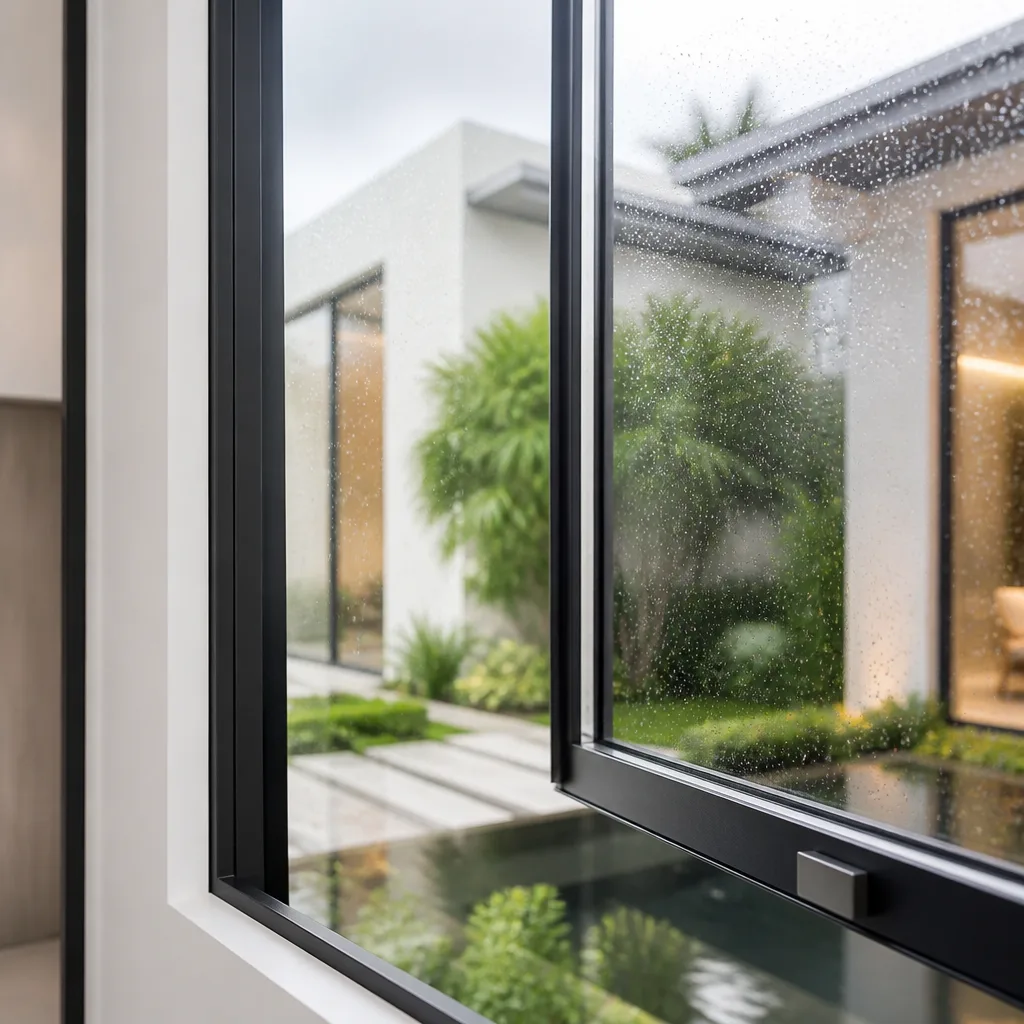
The OIR-B1-1802 is the standardized wind mitigation inspection form used by Florida insurers to determine premium credits. It is not a permit document, but permit documentation directly enables several of its most valuable fields. Understanding this relationship transforms permitting from a cost into a financial return.
The form contains seven sections. Permit-related documentation populates or supports four:
| Section | Field | Permit Documentation Required |
|---|---|---|
| A | Building Code | Permit date establishes code era: pre-2001, 2001-2014, or post-2014. Post-2014 installations qualify for maximum credits. |
| B | Roof Covering | Not window-related, but permit history verifies roof age for overall form validity. |
| C | Roof Deck Attachment | Not window-related. |
| D | Roof-to-Wall Attachment | Not window-related. |
| E | Roof Geometry | Not window-related. |
| F | Glazing Protection | Permitted impact-rated window installation with NOA verification qualifies for maximum credit. Unpermitted work cannot be verified. |
| G | Opening Protection | Permitted impact-rated doors, garage doors, and shutters with NOA verification. |
The critical field is F: Glazing Protection. To receive credit for impact-rated windows, the inspector must verify that all glazed openings are protected. The verification methods, in order of reliability:
- Permit records with final inspection: The strongest evidence. The permit shows the product, the NOA proves impact rating, and the final inspection confirms proper installation. This combination requires no destructive verification.
- Product labels visible in situ: Some windows retain manufacturer labels with impact ratings. Labels fade, are painted over, or were never applied. This method is unreliable for older installations.
- Photo documentation with permit: The permitted installation photo record, like the documented photo record we provide on every Sightline job, bridges the gap when labels are obscured. The photo shows the product at installation, with visible markings, tied to the permit date.
- Destructive testing or replacement: If no documentation exists, the inspector may require removal of trim to verify product identity - or the homeowner must replace the window to obtain current documentation.
The financial impact is substantial. A home in Weston with verified opening protection across all glazed areas typically receives wind mitigation credits of $500-$1,500 annually on a standard homeowner’s policy. Over a 10-year ownership period, that is $5,000-$15,000 in premium reduction. The permit cost of $300-$450, plus the incremental cost of impact-rated products, generates return through insurance savings and resale value protection.
We provide every Weston customer with a permit close-out package organized for insurance presentation: the permit application, final inspection approval, product NOAs, and installation photo record. This package populates the OIR-B1-1802 efficiently and completely.
Common Permit Rejection Reasons and How to Avoid Them
Broward County’s plan review rejects approximately 15% of initial window and door permit applications. The rejections are predictable and avoidable with proper preparation. These are the patterns we observe most frequently:
Expired or superseded NOA. The contractor cites an NOA that has been revised or withdrawn. Miami-Dade updates NOAs regularly; a product approved in 2019 may carry a 2023 revision with modified installation requirements. Always verify the NOA’s current status within 30 days of application.
Size outside approved matrix. The specified window dimension does not appear in the NOA’s approved configuration list. This occurs most often with custom heights or widths requested to match existing openings. The solution: select a standard size and adjust the rough opening, or obtain a custom engineering letter from the manufacturer - a 4-6 week process that adds cost.
Mismatched design pressure. The product’s DP rating is insufficient for the opening’s calculated wind load. In Weston, this most commonly affects second-story windows on east-facing walls, where exposure and height combine to require higher DP than standard products provide. The measured survey must include height, exposure, and mean roof height to calculate DP accurately.
Missing wind load calculation. The application lacks the ASCE 7-based wind load analysis. Some contractors attempt to use prescriptive tables; Broward County requires project-specific calculations for most HVHZ work.
Incorrect permit type. The applicant selects “repair” when the scope is replacement, or “alteration” when the scope is new installation. The permit type determines inspection protocol; mismatches cause inspection failures even when the work is code-compliant.
HOA documentation missing. In Weston communities with architectural review committees - Windmill Ranch Estates, The Ridges, Savanna - permit applications require HOA approval letters. Submitting without this documentation triggers automatic rejection.
Avoiding these rejections requires front-loaded diligence: verify NOA currency before product selection, confirm sizes against approved matrices, calculate wind loads from measured survey data, and gather all ancillary documentation before submission. The 5-10 day review period applies to complete applications; rejections restart the clock.
Permit Close-Out: What You Receive and Where to Store It

Permit close-out in Broward County generates a specific document set. These documents have value beyond the immediate project - they are financial and legal assets that persist for decades. Understanding what you receive and how to preserve it is part of responsible homeownership.
Upon final inspection approval, the homeowner or contractor receives:
- Certificate of Completion: The official document stating that work was performed per approved plans and passed inspection. This is the permit’s terminal status.
- Final inspection report: Detailed notes from the inspector’s site visit, including any corrections required and verification dates.
- As-built documentation: If modifications occurred during installation, the contractor submits as-built drawings showing actual conditions.
- Product documentation: Manufacturer cut sheets, NOAs, and warranty information for installed products.
- Photo record: If the contractor provides one, dated installation photographs showing product labels, fastening patterns, and flashing details.
Storage protocol matters. We recommend:
- Digital archive: Scan all documents to cloud storage with redundant backup. Label files by date, permit number, and project scope: “2024-03-15_PERMIT-2024-004321_Impact-Windows-West-Facade.”
- Physical file: Maintain a paper file in fire-resistant storage with the original Certificate of Completion, final inspection report, and product warranties.
- Property disclosure folder: For future sale, compile a disclosure-ready package: permit history, close-out documents, product specifications, and warranty transfers. In Florida, sellers must disclose unpermitted work; permitted work with documentation is a marketable asset.
- Insurance file: Provide the wind mitigation documentation to your insurance agent at renewal. Update the OIR-B1-1802 with any new permitted work.
In Weston, where the median home turnover is 7-10 years, these documents routinely facilitate smoother transactions. A seller with complete permit documentation for window and door upgrades can demonstrate code compliance, warranty transferability, and insurance credit eligibility. A seller with gaps must disclose, discount, or remediate.
We deliver a complete close-out package to every customer, organized and labeled for long-term storage. Explore more guides & resources to protect your investment. The Haven Standard’s Evidence clause - every job leaves a documented photo record - means our customers have visual verification to supplement paper documents.
Common Mistakes to Avoid
- Assuming like-for-like exemption applies. In Broward County, true like-for-like replacement is rare. If the product label, fastening schedule, or performance rating changes, permitting is required. Verify before assuming.
- Accepting a quote without NOA verification. A contractor may propose a product with an expired or superseded NOA. The permit will be rejected, and you will discover the problem weeks into the project. Request NOA numbers with every quote and verify currency independently.
- Skipping permit to save time. The permit process adds 2-3 weeks to a typical project. Skipping it exposes the homeowner to stop-work orders, fines, failed inspections on future work, and insurance non-compliance. The time “saved” is borrowed at high interest.
- Installing non-impact products in HVHZ. Weston is within the High Velocity Hurricane Zone. Non-impact products require external protection (shutters, panels) to pass inspection. A contractor who proposes non-impact windows without protection planning is proposing unpermitable work.
- Neglecting HOA approval before permitting. Weston’s deed-restricted communities enforce architectural standards. Permitting without HOA approval generates rejection and delays. The approval process typically takes 2-4 weeks; sequence it before permit submission.
- Discarding close-out documents. Permit documents are not project debris. They are insurance and resale assets with 10-30 year utility. Store them as you would title documents or warranty records.
- Hiring unlicensed contractors for permitted work. Florida law requires licensed contractors for work exceeding $1,000. Unlicensed contractors cannot pull permits, and their work cannot be inspected or documented. Verify licensure at myfloridalicense.com before engagement.
When to Call a Professional
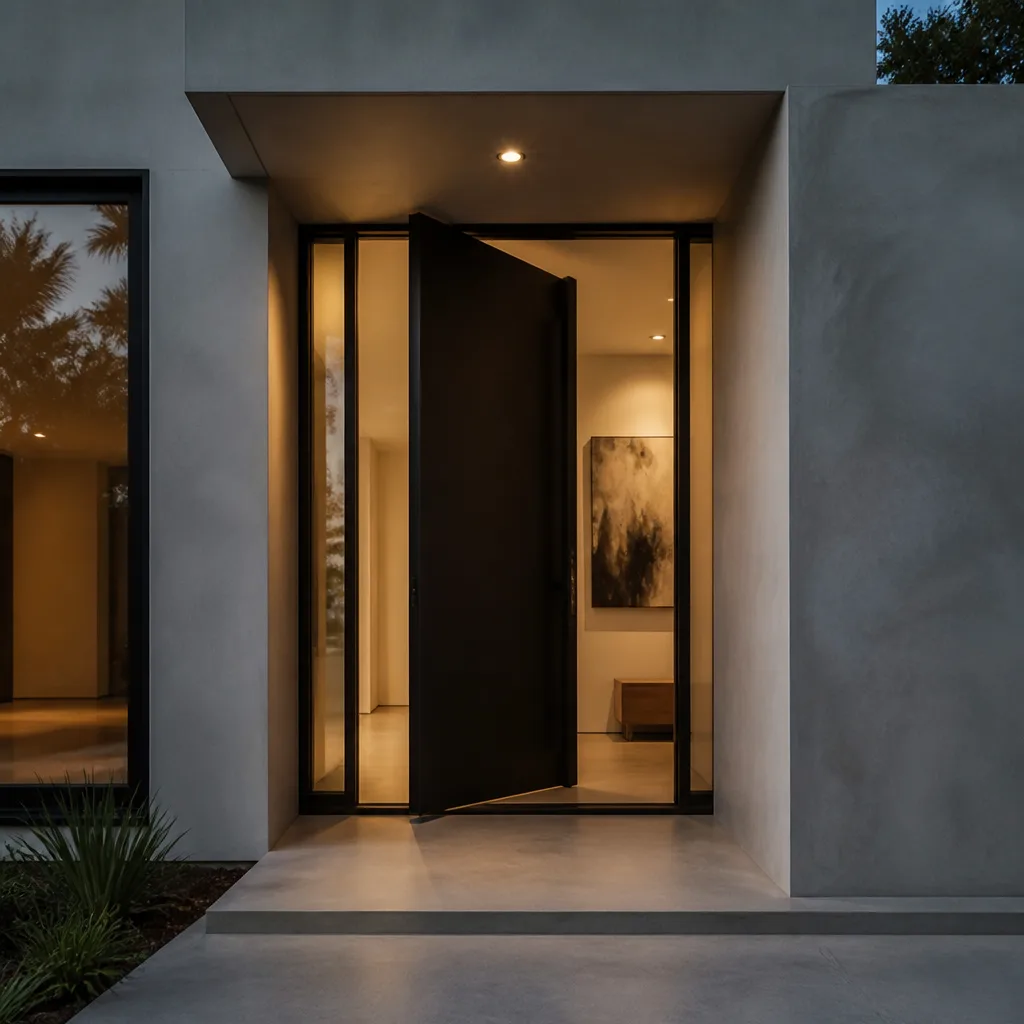
Permit compliance for windows and doors intersects structural, meteorological, and regulatory expertise that most homeowners reasonably lack. Call a licensed contractor when: the opening size changes; the wall contains structural elements (headers, posts, shear panels); the home is in a flood zone requiring additional elevation documentation; or the product selection involves impact ratings, custom geometries, or multi-point locking systems. Sightline Windows & Doors Weston offers free estimates in Weston - call (754) 812-9260. We provide the measured survey you keep, the written price before any work starts, and the documented photo record that completes your permit file.
Frequently Asked Questions
A typical residential window or door permit in Broward County costs $250-$450, based on project valuation. Whole-home replacements with 15-25 openings fall at the higher end; single-window replacements with no structural modification fall at the lower end. Additional fees apply for plan review acceleration, re-inspection, or after-hours inspection scheduling. Call (754) 812-9260 for an exact quote on your specific project - estimates are free.
No. At Sightline Windows & Doors Weston, the written quote derived from the measured survey is the final price - Haven Clause 1. Permitting costs are included in our quoted scope, not added later. If Broward County requires plan revision or additional documentation, we absorb that cost. The price you approve before work begins is the price on the final invoice.
We pull permits as part of our standard engagement. Our license and insurance are on file with Broward County, and we assume responsibility for code compliance, inspection scheduling, and close-out documentation. Homeowners may pull owner-builder permits, but this places liability for code compliance on the homeowner and may complicate insurance and warranty claims. We do not recommend it for window and door work in HVHZ.
From application to final inspection approval, expect 4-6 weeks for a typical whole-home window replacement. Plan review: 5-10 business days. Installation scheduling: 1-2 weeks after permit issuance. Rough inspection: within 2 business days of request. Final inspection: within 2 business days of completion. Re-inspections, if needed, add 3-5 business days each. In Weston’s busier seasons (March-May, September-November), scheduling may extend by 1-2 weeks.
Only if the replacement is genuinely like-for-like in all five dimensions: size, performance classification, operating type, structural attachment, and egress compliance. In practice, most replacements in Weston’s older homes fail at least one criterion - typically performance classification (upgrading to impact-rated) or structural attachment (current NOAs require different fastening than original installations). We evaluate each opening against permit requirements during the measured survey and advise accordingly. The consultation is free.
Florida law requires disclosure of unpermitted work at sale. If discovered post-sale, remedies include: requiring the seller to regularize permits before closing; negotiating a price reduction for remediation cost; or assuming the liability and regularizing permits yourself. Regularization involves application, inspection, potential removal of finish materials to verify installation, and fines of 100-300% of the original permit fee. In Broward County, unpermitted work also triggers the “stop work” vulnerability - any future permitted work may be held until the violation is cleared. Complete permit documentation is a negotiable asset; its absence is a negotiable liability.
Permitted impact-rated window and door installation, with verified NOA compliance, qualifies for maximum wind mitigation credits on the OIR-B1-1802 form. In Weston, this typically reduces annual premiums by $500-$1,500, depending on home value, insurer, and overall form scoring. The credit persists as long as the protection remains in place and verifiable. Unpermitted work cannot be verified for form purposes and generates no credit. Over a typical ownership period, the insurance savings exceed the permit and product premium costs.
The Bottom Line
Florida’s window and door permitting system is not administrative friction. It is the mechanism that connects product engineering to insurance economics and resale marketability. The Miami-Dade NOA ensures that products perform as tested; the inspection process verifies that installation matches the test; and the close-out documentation enables wind mitigation credits and clean title transfer. In Weston, where homes from the 1980s and 1990s require envelope upgrades to meet current standards, permit compliance is a financial strategy. The homeowner who documents every opening properly pays less for insurance, sells more easily, and avoids the compounding costs of unpermitted work discovered late. The homeowner who skips permits saves $300 and borrows trouble at double-digit interest.
Call (754) 812-9260 to schedule your free estimate. We will measure your openings, calculate your design pressures, specify products with current NOAs, and deliver the written price before any work starts. Every job leaves a documented photo record. Every job is covered by the 365-Day Done Right Promise, written into the Haven Standard since 2012.
Written by Sonia Raman, Owner at Sightline Windows & Doors Weston, serving Weston since 2012.