
Last updated September 24, 2026
Free in-home measure and quote - PGT, CGI and CWS impact lines compared on your actual openings, style by style
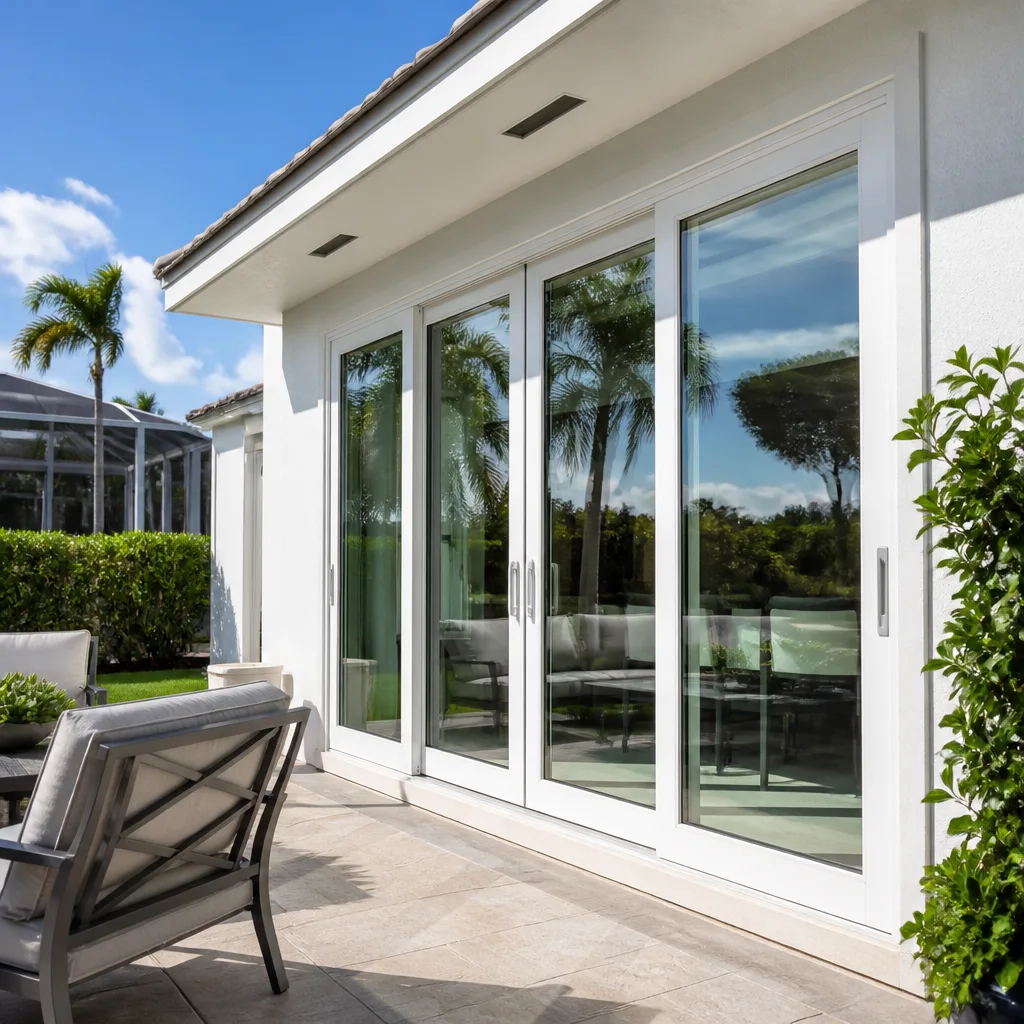
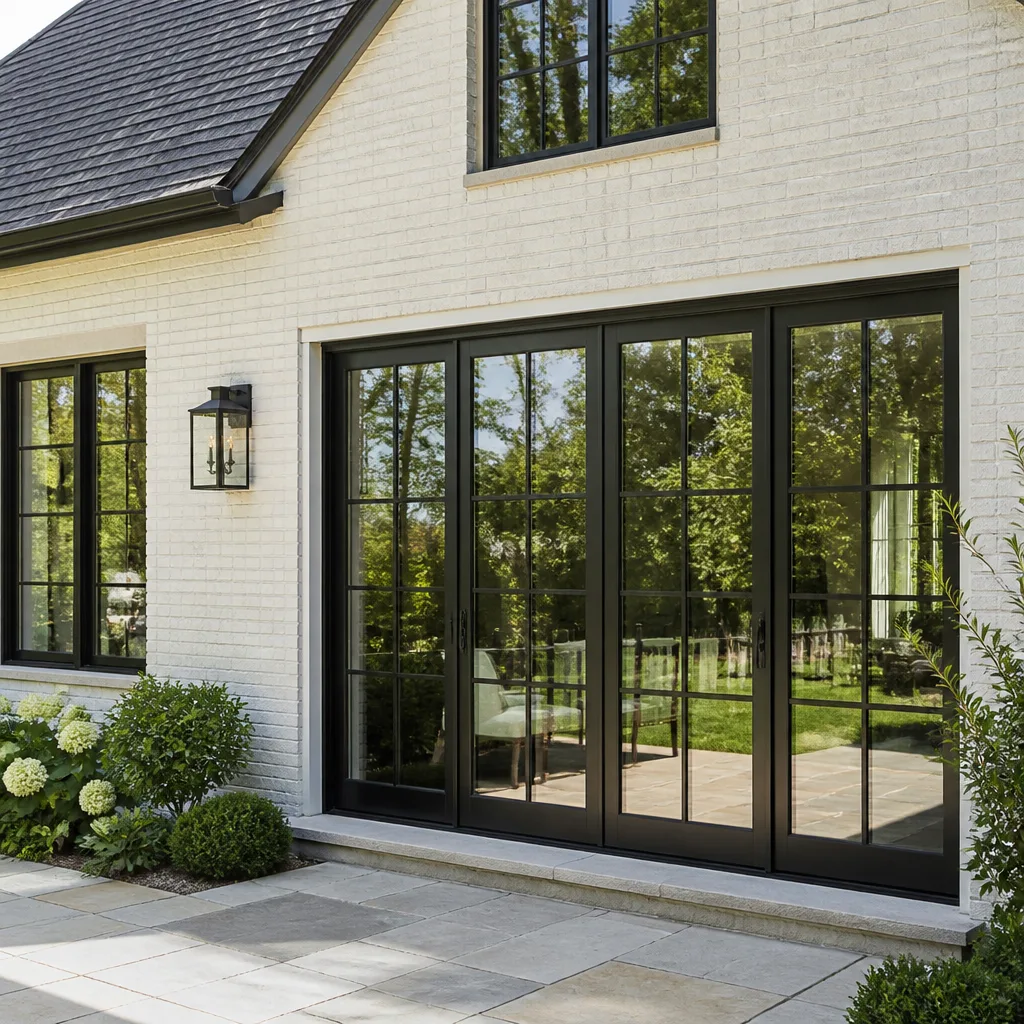
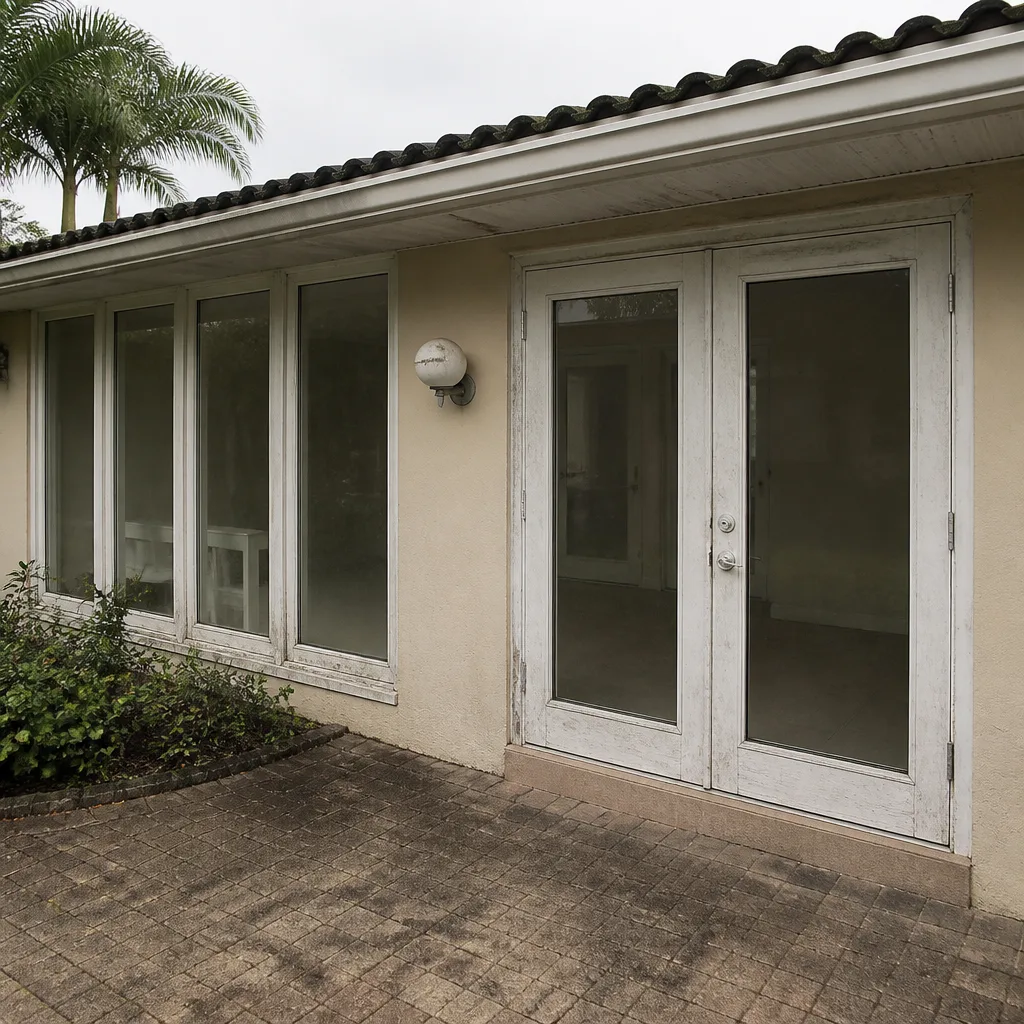 Before
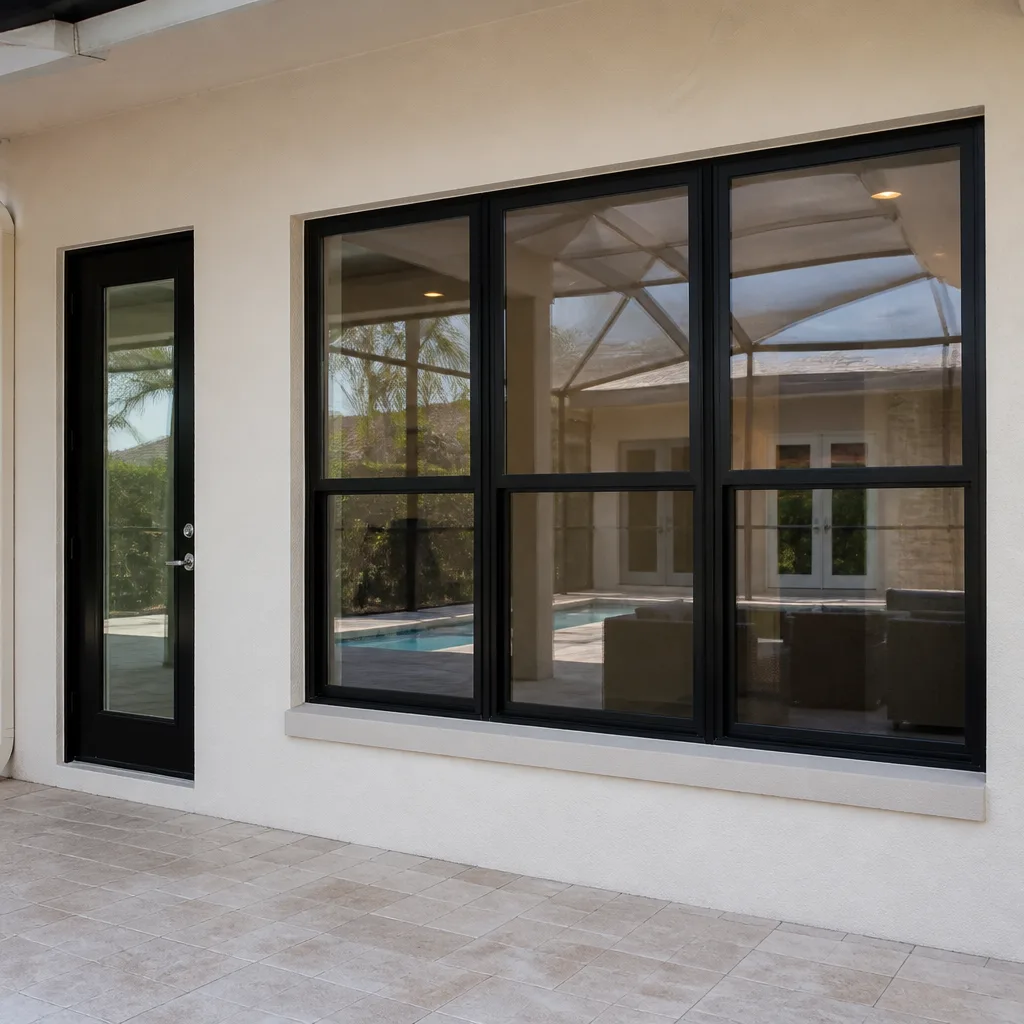 After
After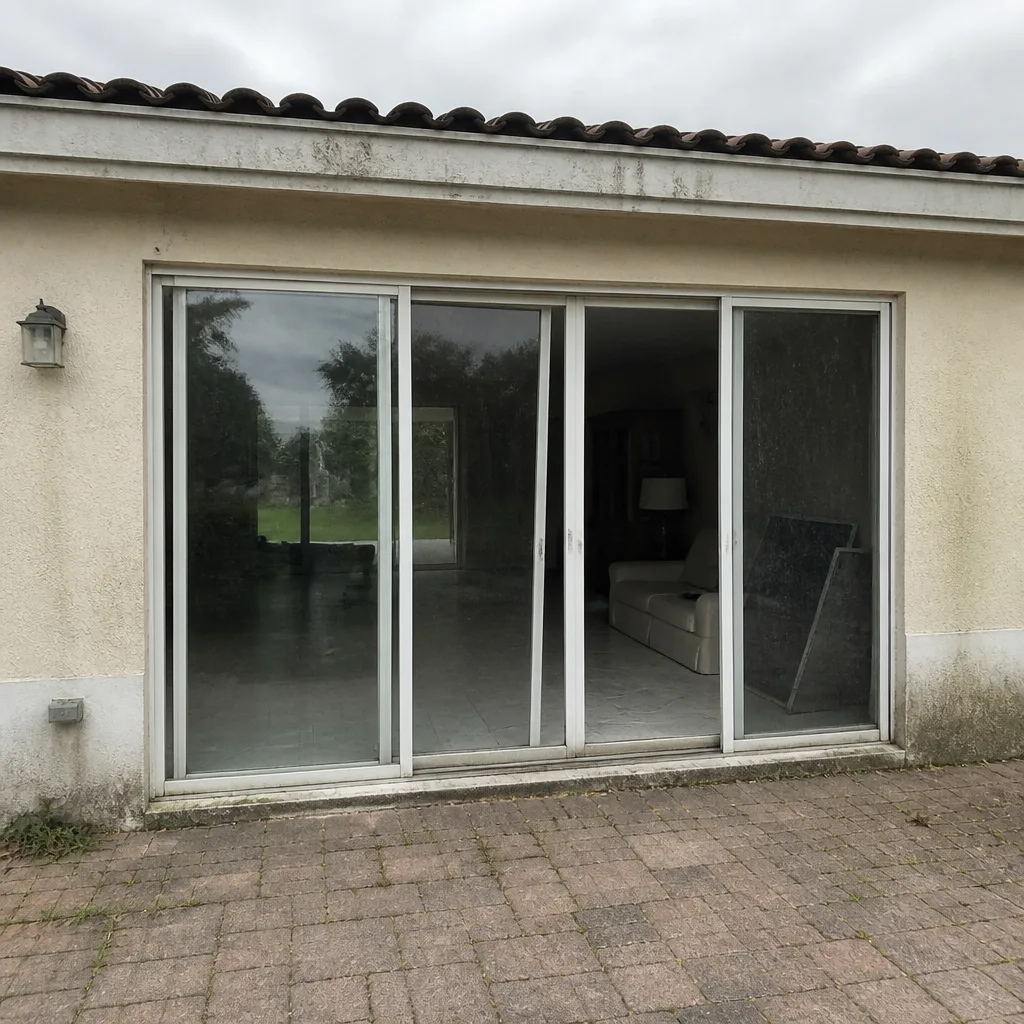 Before
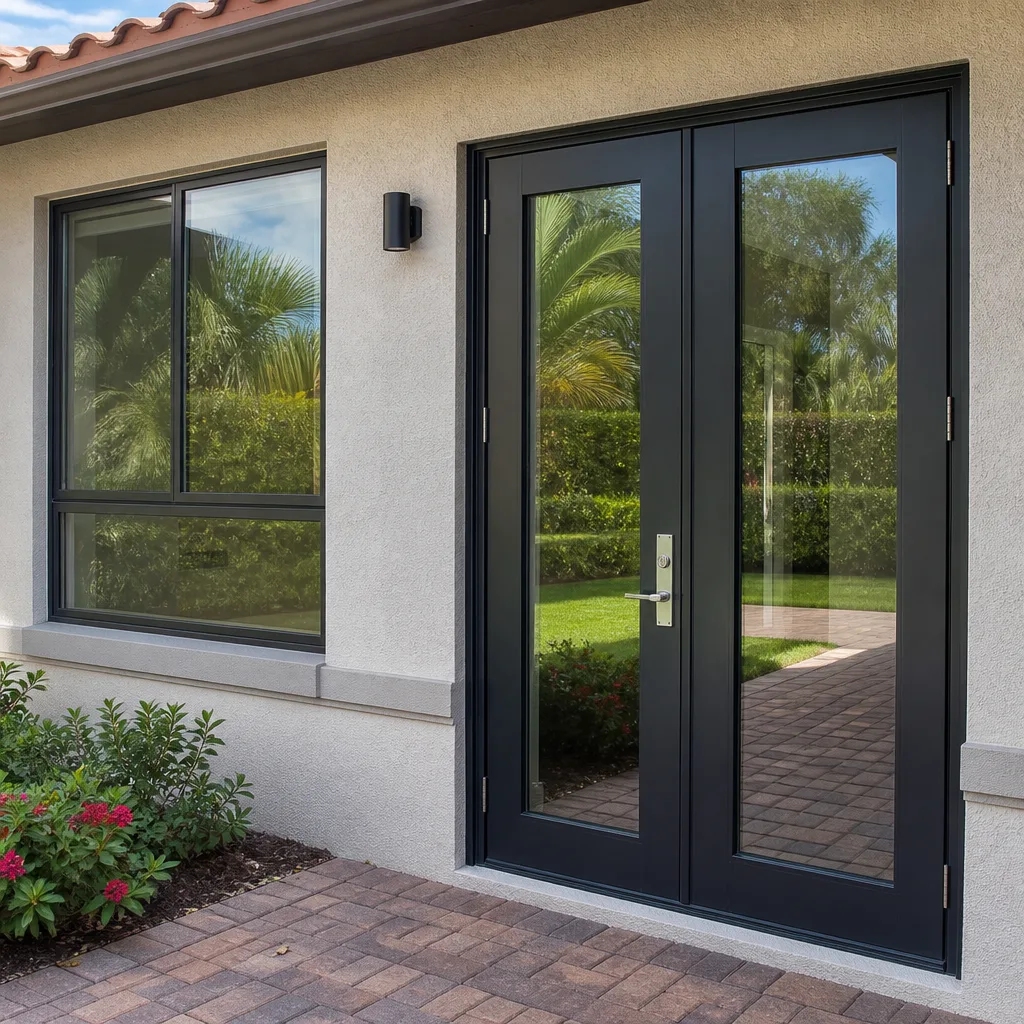 After
After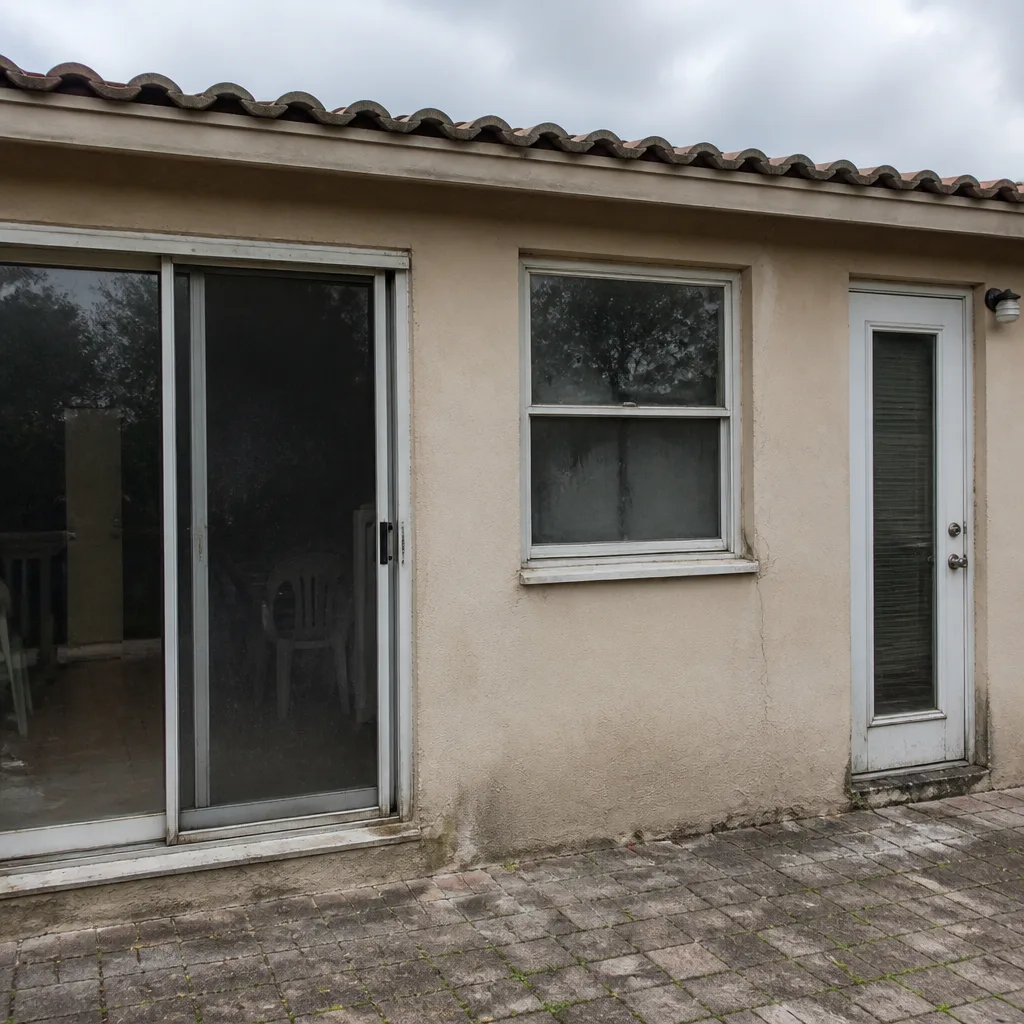 Before
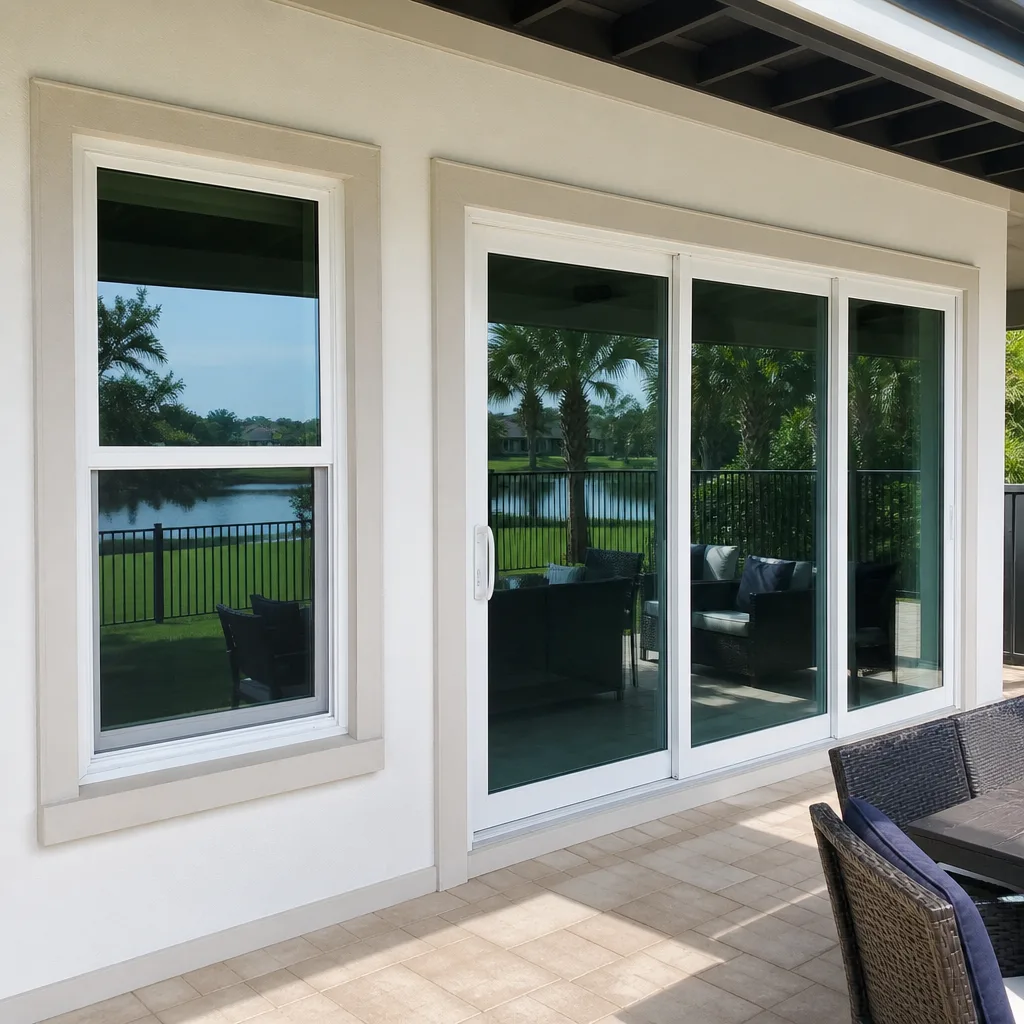 After
AfterWindow Installation Maintenance Checkment Checklist for Weston Homeowners
A Weston window typically shows glazing tape UV degradation within 7-10 years of installation, but the resulting water infiltration that triggers a full replacement isn’t visible at the interior until year 12 or 13. That gap, three to six years of silent deterioration, is where maintenance pays for itself many times over. In this guide and our more guides & resources, we’ll walk through the specific failure sequence that degrades Weston windows from the outside in, the exact measurements that tell you when to act, and how to document condition so a repair stays a repair instead of becoming a $15,000 replacement.
Quick Answer
Weston homeowners should inspect window glazing tape annually for UV cracking, verify weep holes remain unobstructed after heavy rain, check sill flashing for gaps wider than 1/4 inch, and photograph all conditions with date stamps to establish warranty and insurance baselines. Catching glazing tape failure at year 8 costs roughly $200-$400 in spot repairs; missing it until interior drywall stains appear typically requires full frame replacement at $1,200-$2,800 per opening.
Table of Contents
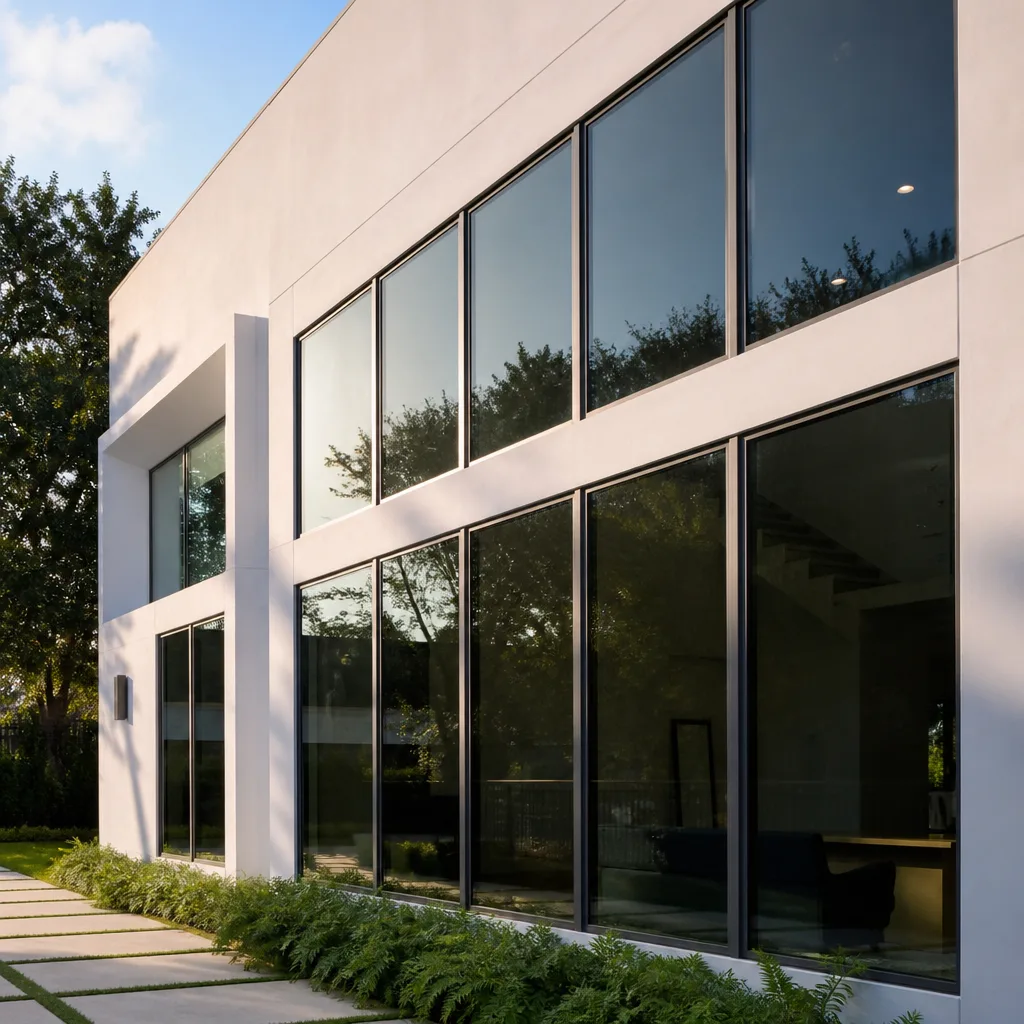
- The Outside-In Failure Sequence: How Weston Windows Actually Degrade
- Glazing Tape Inspection: The 7-10 Year Critical Window
- Weep Hole Maintenance and Water Management
- Sill Flashing, Sealant Gaps, and Deflection Tolerances
- Hardware Corrosion and Torque Loss in Coastal Climate
- Frame-to-Rough-Opening Gap: The Hidden Thermal Bridge
- Annual Documentation: Building Your Dated Record
- Pass/Fail Field Sheet for Contractor Quotes
 Before
 After
AfterThe Outside-In Failure Sequence: How Weston Windows Actually Degrade
Most maintenance guides organize tasks by season: spring cleaning, summer inspection, fall weatherization. That structure ignores how window systems actually fail in South Florida’s subtropical climate. We’ve completed window replacement in Weston on thousands of openings since 2012, and the pattern is consistent enough to predict.
Degradation moves inward in five stages:
- Glazing tape UV damage - The butyl or polyisobutylene tape between glass and frame hardens, cracks, and loses adhesion under 2,900+ annual hours of direct sun. This begins at year 7-10 for south- and west-facing elevations.
- Capillary water entry - Once the tape seal is compromised, wind-driven rain enters the glazing pocket. Water travels along the glass edge, not through it, so the interior stays dry initially.
- Weep system overwhelm - The window’s designed drainage path, the weep holes at the sill, clog with pollen, insect debris, or paint. Water backs up into the frame.
- Frame corrosion or rot - Aluminum frames corrode at the interior drainage channel; vinyl frames can support mold growth in the hollow chamber. Both compromise structural integrity.
- Interior manifestation - Drywall staining, baseboard swelling, or paint bubbling appears. By this stage, the rough opening is often compromised and repair costs multiply.
The critical insight: stages 1 through 3 are nearly invisible from inside the home. A homeowner who waits for interior symptoms has already passed the most cost-effective intervention point.
Weston’s specific conditions accelerate this sequence. The city sits at the western edge of Broward County with less coastal breeze than Fort Lauderdale or Hollywood, meaning heat builds on glass surfaces and UV intensity remains high through afternoon hours. Homes in Weston Hills and Windmill Ranch Estates, with larger window-to-wall ratios and premium elevations, see faster tape degradation on southern exposures. Homes in San Messina and The Ridges, built during the 2003-2007 construction peak, are now entering the critical 17-20 year window where original glazing tape is near-certain to have failed if never inspected.
Glazing Tape Inspection: The 7-10 Year Critical Window
Glazing tape, also called glazing seal or setting tape, is the compressible gasket that cushions the glass against the frame and creates the primary water barrier. In Weston’s climate, this is the first component to fail and the cheapest to address if caught early.
What to Look For
Inspect from the exterior on a dry day, using a step ladder for second-story openings. You’re examining the tape visible at the glass-to-frame junction, not the interior trim:
- Surface crazing - Fine interconnected cracks, like dried mud or old rubber bands. Crazing indicates surface oxidation but may not yet compromise the seal.
- Through-cracking - Cracks that penetrate the full tape thickness. These create direct water paths.
- Adhesive failure or tape pull-away - The tape has separated from the frame or glass edge, visible as a gap or lifted edge. This is active failure.
- Compression set - The tape has flattened permanently and no longer springs back when pressed. It cannot accommodate thermal expansion movement.
Action Thresholds
| Condition | Measurement/Appearance | Action Required |
|---|---|---|
| Surface crazing only | Cracks < 1mm deep, no tape lift | Photograph, re-inspect in 12 months |
| Through-cracking < 25% of perimeter | Visible gaps, no water entry yet | Schedule spot re-glazing, $200-$450 per opening |
| Through-cracking > 25% or pull-away | Tape lifting from frame or glass | Immediate re-glazing required; water entry likely |
| Compression set with gap > 3mm | Tape flattened, visible light through joint | Full sash evaluation; frame may be compromised |
Materials matter for re-glazing. For impact-rated windows, the replacement tape must meet the original product approval (APA/FL# or Miami-Dade NOA). Using generic butyl tape on a PGT or CGI impact unit voids the warranty and may invalidate the structural rating. We specify manufacturer-approved tape from the original production run or certified equivalent, documented in the photo record.
For non-impact vinyl windows, such as many ECO Window Systems or CWS units installed in Weston between 2010 and 2020, silicone-compatible foam tape is acceptable but petroleum-based products are not. The plasticizer migration from petroleum lubricants or sealants can embrittle vinyl over 18-24 months.
Weep Hole Maintenance and Water Management
Weep holes are the pressure-equalization and drainage ports at the exterior sill of operable windows and sliding doors. They’re small, typically 3/16 inch to 5/16 inch diameter, and easily overlooked until water appears inside.
Inspection Protocol
- Locate all weep holes - On a single-hung window, expect two to four holes at the sill’s exterior face, sometimes concealed by a snap-in cover or baffle.
- Verify openness - Use a pipe cleaner or thin wire (never a toothpick, which can break off and worsen the clog). The wire should pass through freely to daylight.
- Test drainage path - Pour 8-12 ounces of water slowly into the track. It should exit the weep holes within 30 seconds without pooling.
- Check baffle condition - The plastic or metal baffle that covers weep holes to block insects must snap securely; missing baffles invite wasp and ant nests in the frame cavity.
In Weston, the March through May pollen season deposits fine yellow-green film that hardens in weep channels. The June through October rainy season then overwhelms partially blocked systems. We’ve found weep holes completely occluded with a cement-like deposit of pollen, dust, and irrigation overspray on homes near Bonaventure and Country Isles, where reclaimed water systems increase mineral content in airborne residue.
A secondary issue: pressure washing. Homeowners and cleaning services frequently blast weep holes directly, driving water into the frame cavity and sometimes forcing baffles into the track where they’re lost. The correct method is low-pressure rinse downward, never direct spray into the hole.
When Weep Holes Indicate Bigger Problems
Water exiting weep holes continuously, even during dry weather, suggests interior condensation or a failed seal in an insulated glass unit (IGU). Fogging between glass panes, visible as haze or droplets inside the IGU, confirms seal failure. The window no longer provides its rated thermal performance and will eventually stain the interior sill. IGU replacement runs $350-$650 per sash in Weston, versus $1,800-$3,200 for full frame replacement if water damages the rough opening.
Sill Flashing, Sealant Gaps, and Deflection Tolerances
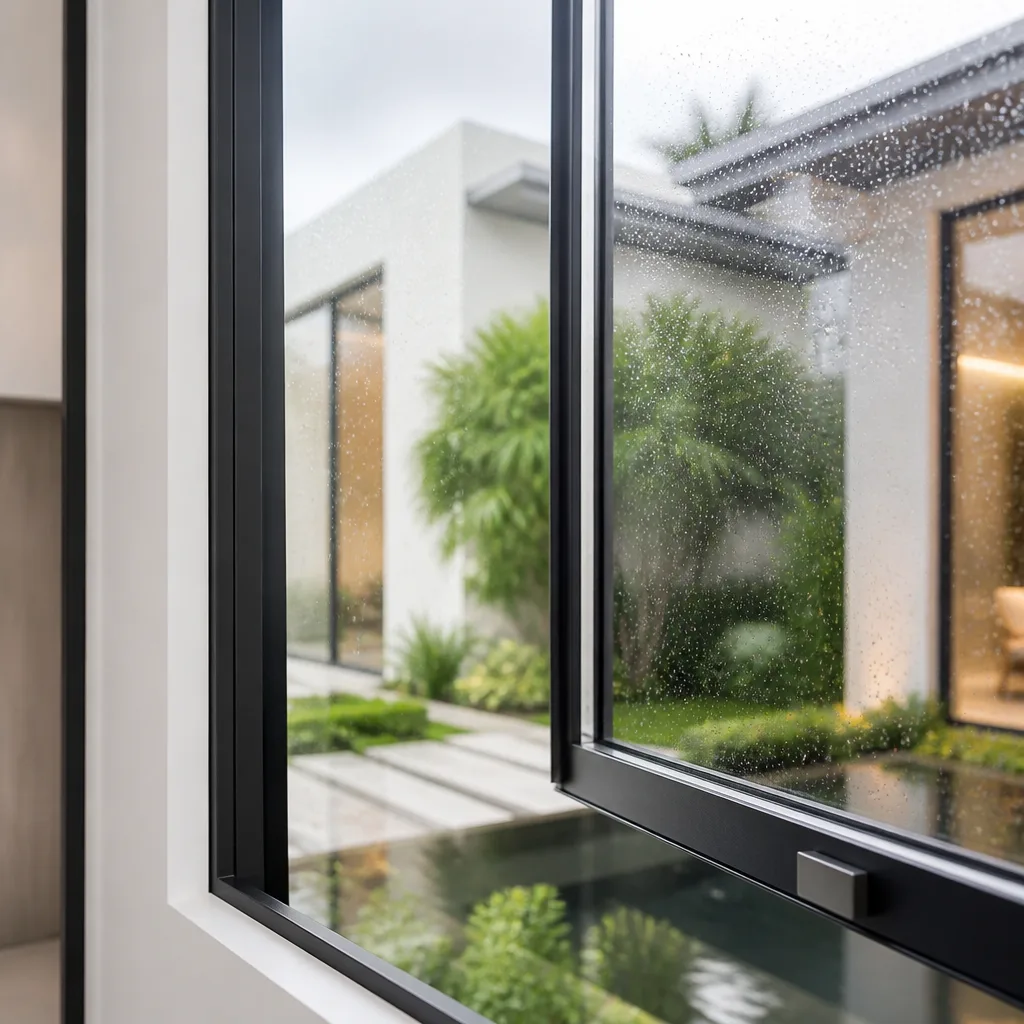
Sill flashing is the water-managed transition between the window frame and the wall’s water-resistive barrier (WRB). In Weston’s construction, this is typically a flexible membrane or rigid pan flashing integrated with the stucco or siding system. Sealant at the frame-to-wall joint is the secondary defense, not the primary.
Sealant Gap Inspection
Examine the exterior perimeter sealant bead with these specifics in mind:
- Gap width - A continuous bead should measure 3/16 inch to 3/8 inch in width. Wider gaps indicate sealant shrinkage or substrate movement; narrower gaps suggest the bead was too thin to accommodate joint movement and has torn.
- Adhesion test - Gently probe with a putty knife at a 45-degree angle. Well-adhered sealant resists; failed sealant peels away with little force.
- Three-sided adhesion - Sealant should only adhere to two surfaces (frame and wall), with the back of the joint free (a “bond-breaker” tape or rod). Three-sided adhesion restricts movement and causes tearing.
Deflection Tolerances
Window frames in South Florida experience thermal expansion daily: 80°F morning lows to 140°F+ surface temperatures on dark frames by afternoon. The frame grows; the wall doesn’t, or grows differently. Design standards allow for:
| Frame Material | Linear Expansion Coefficient | Expected Movement (6-foot width) |
|---|---|---|
| Vinyl (uPVC) | 3.0-4.5 × 10⁻⁵ in/in/°F | Up to 3/16 inch seasonal |
| Thermally broken aluminum | 1.3 × 10⁻⁵ in/in/°F | Up to 1/16 inch seasonal |
| Fiberglass composite | 0.5-1.0 × 10⁻⁵ in/in/°F | Negligible |
When sealant gaps exceed 1/2 inch or show tearing through more than 30% of the perimeter, the joint has exceeded its design movement capacity. This is not a maintenance item; it’s a sign of installation deficiency or structural movement requiring evaluation.
Weston homes in Savannah and Sector 3 Preserve, built on former wetland with organic soils, see more differential settlement than areas on the higher rock ridge near Weston Hills Country Club. We’ve measured frame racking exceeding 1/4 inch in openings on homes less than 10 years old in these areas, where the original sealant was specified for standard movement but not soil conditions.
Hardware Corrosion and Torque Loss in Coastal Climate
Window hardware in Weston operates in a salt-air environment despite the 8-12 mile inland buffer. Chloride deposition on exterior surfaces, combined with 75%+ relative humidity for much of the year, creates corrosion conditions that inland Florida doesn’t experience.
Hardware Inspection Points
- Locking mechanisms - Multi-point locks on casement and awning windows should engage with firm, consistent resistance. Grinding, catching, or free-spinning handles indicate cam wear or corrosion in the rod mechanism.
- Hinge torque - Open the sash to 45 degrees and release. It should hold position without drifting. Drifting indicates hinge spring fatigue or screw loosening in the frame.
- Track rollers (sliding windows and doors) - Rollers should carry the sash with finger-light effort. Binding or jumping suggests flat-spotted rollers, track deformation, or debris compaction in the track.
- Fastener condition - Visible screws at hardware mounts should show no rust staining or head deterioration. Stainless steel fasteners are standard on impact-rated units; zinc-plated fasteners on economy lines may show red rust at year 5-7.
The Lubrication Warning
This is where warranty voidance commonly occurs. Petroleum-based lubricants (WD-40, 3-in-1 oil, lithium grease) dissolve the plasticizers in vinyl track systems and attract dust that forms abrasive paste. Silicone spray is acceptable for metal-to-metal contact points but must not contact EPDM or silicone gaskets. Dry PTFE lubricant is the safest general choice for tracks and rollers.
For impact-rated products from PGT, CGI, or Mr-Glass, any lubrication not specified in the manufacturer’s maintenance manual voids the warranty. We document the specified product in our photo record when performing maintenance under the Haven Standard.
Torque loss in locking mechanisms is measurable. A properly functioning multi-point lock should require 15-25 inch-pounds of handle torque to engage. Below 10 inch-pounds, the lock may appear engaged but not compress the weatherstrip sufficiently for design pressure rating. We check this with a torque screwdriver during maintenance visits; homeowners can estimate by comparing effort across identical windows in the home. One that operates noticeably easier has lost preload and needs adjustment.
Frame-to-Rough-Opening Gap: The Hidden Thermal Bridge
The space between the window frame and the structural rough opening is insulated and sealed during installation, then covered by interior trim. It’s invisible, but it’s where the most expensive hidden damage occurs.
How This Space Fails
Water that bypasses glazing tape, weep holes, or sill flashing enters the frame cavity and collects in the rough opening. The gap, typically 1/2 inch to 1 inch, was filled with low-expansion foam and backer rod during installation. Over time:
- Foam shrinks and pulls away from framing
- Capillary wicking draws water to wood framing
- Organic growth begins in the dark, humid cavity
- Framing members decay or, in steel-framed construction, corrode
Interior symptoms appear only when the damage has propagated through drywall: a musty odor, a soft spot in the sill, or trim that no longer sits flat.
Detection Without Demolition
Three non-destructive methods can assess this hidden space:
- Thermal imaging - On a morning with 15°F+ temperature differential between interior and exterior, an infrared camera shows cold spots at the frame perimeter where insulation has settled or moisture has displaced air. Professional thermal scan: $150-$300 for a whole-house survey in Weston.
- Moisture meter probing - Pin-type meters with 2-inch probes can access the gap through the interior trim seam if gently separated. Readings above 16% in wood framing indicate active moisture; above 20% confirms risk of fungal growth.
- Borescope inspection - A 1/4-inch inspection camera inserted through a discreet hole in the trim (later sealed) provides direct visual confirmation. This is our standard method during window installation in Weston when we’re evaluating whether existing frames can be retained.
The cost differential is stark. Addressing moisture in the rough opening while the frame is still sound: $800-$1,500 per opening for remediation, re-flashing, and re-installation. Waiting until framing members require replacement: $2,500-$5,000+ with structural repair, drywall, and finish work.
Annual Documentation: Building Your Dated Record
Every insurance claim and warranty dispute we’ve supported for Weston homeowners has hinged on one question: when did the condition begin? Without dated evidence, insurers attribute long-term water damage to maintenance neglect, and manufacturers deny warranty claims for “improper maintenance.”
The Annual Photo Protocol
Complete this documentation each January, after the holiday season and before pollen season begins:
- Establish the record - Create a folder: “Window Condition [Year] - [Property Address]”
- Exterior glazing tape - One close-up per window, focused on the tape at glass edge, with a coin or ruler for scale. Include the window identifier (room name, wall orientation).
- Weep holes - Close-up showing condition and baffle presence; one photo per window type.
- Sealant perimeter - Full-width shot showing the complete bead, plus close-up of any gaps or tears.
- Hardware - Lock engaged, handle position, any visible corrosion.
- Interior sill and trim - Direct and raking light shots to reveal staining not visible head-on.
- Wide context - One shot per elevation showing all windows for change-over-time comparison.
Store originals with EXIF data intact; screenshots and compressed uploads strip the date stamp. Cloud storage with automatic backup is sufficient; the key is consistency year to year.
For homeowners with impact-rated windows, this documentation serves a second purpose. Florida’s windstorm mitigation inspections, required for insurance discounts, verify that impact protections remain intact. A documented maintenance record supports the ongoing validity of the original mitigation certificate. We’ve had Weston homeowners in Bonaventure and The Landings retain or restore discounts by demonstrating active maintenance when insurers questioned aging installations.
Pass/Fail Field Sheet for Contractor Quotes
The goal of maintenance is to obtain scoped repair, not to receive a full-replacement pitch for every finding. This pass/fail sheet, completed by the homeowner and presented to any contractor, establishes that you understand your windows and expect specific responses.
| Component | Pass Criteria | Fail Criteria | Contractor Response Required |
|---|---|---|---|
| Glazing tape | No through-cracking; <25% perimeter crazing | Through-cracking >25%; pull-away; compression set gap >3mm | Specify re-glazing scope, tape product approval number, warranty term |
| Weep holes | All open; water drains <30 sec; baffles intact | Any blocked; pooling >60 sec; missing baffles | Specify cleaning method; confirm no frame cavity water |
| Sealant perimeter | Continuous bead 3/16″-3/8″; adhesion test passes | Gaps >1/4″; >30% perimeter torn; three-sided adhesion | Specify removal scope, backer rod, sealant product |
| Hardware | Locks engage 15-25 in-lb; holds position; no corrosion | Torque <10 in-lb; drift; visible rust; grinding | Specify parts, lubricant, torque verification method |
| Frame gap (interior indicators) | No musty odor; trim flat; moisture meter <16% | Odor; soft sill; trim misalignment; meter >20% | Specify investigation method: thermal, borescope, or exploratory removal |
Present this sheet and request line-item pricing for each fail item. A contractor who cannot or will not scope specifically is not prepared to perform maintenance; they’re prepared to sell replacement.
At Sightline Windows & Doors Weston home, we provide written line-item quotes against this exact sheet during our free estimates. The measured survey we perform documents each finding with photographs, and the written scope cannot differ from that document - Haven Clause 1. Bring us a competitor’s estimate and we’ll review it at no charge; our Free Second Opinion applies to any written quote.
Common Mistakes to Avoid
- Pressure washing weep holes directly - The high-pressure stream drives water into the frame cavity and can dislodge baffles permanently. Weston homes near golf course irrigation systems already experience above-average water exposure; adding pressure washing compounds the risk.
- Applying petroleum-based lubricant to vinyl tracks - The plasticizer migration causes embrittlement and voids warranties on CWS, ECO Window Systems, and other vinyl lines common in Weston subdivisions built 2005-2015.
- Caulking over failed sealant without removal - New caulk adheres to old caulk, not to substrate. The failure propagates underneath within one season. Proper removal to sound substrate is 60% of the labor in a durable repair.
- Ignoring south and west elevations - These receive 40% more annual UV exposure than north elevations in Weston. A window that looks fine on the shaded north side may be actively failing on the south.
- Skipping documentation because “nothing looks wrong” - The entire failure sequence through stage 3 produces no visible interior symptom. Your 2025 photo of intact glazing tape becomes invaluable when 2028 shows degradation and a manufacturer questions maintenance history.
- Accepting “they all need replacing” without itemized findings - This is the standard response from replacement-focused contractors when presented with mixed-condition windows. The pass/fail sheet forces specificity.
- Using non-approved tape on impact-rated units - PGT, CGI, and Mr-Glass impact products require APA/FL# or NOA-matched materials. Generic tape from a hardware store invalidates the structural rating and may affect insurance coverage after a storm.
When to Call a Professional
Some conditions exceed homeowner maintenance scope and require documented professional evaluation. Call for assessment when: moisture meter readings exceed 20% at any interior probe point; thermal imaging shows cold spots exceeding 10°F differential at the frame perimeter; hardware torque loss is accompanied by visible corrosion products (white aluminum oxide, red ferrous rust); any impact-rated window shows glazing tape failure and the original product approval documentation is unavailable; or you’ve completed the pass/fail sheet and have two or more fail items on a single opening.
Sightline Windows & Doors Weston offers free estimates in Weston - call (754) 812-9260. Every estimate includes the measured survey you keep, a written line-item scope, and a documented photo record. Our technicians are background-checked, uniformed, and identified by license number before arrival under Haven Clause 3. The 365-Day Done Right Promise applies to any maintenance or repair work we perform.
Frequently Asked Questions
Annual homeowner-performed maintenance costs $50-$100 in materials (silicone lubricant, replacement baffles, basic sealant for touch-ups). Professional maintenance service runs $150-$350 per opening for inspection, cleaning, hardware adjustment, and minor sealant repair. Re-glazing a failing tape seal costs $200-$450 per sash. Full frame replacement, the cost of deferred maintenance, averages $1,200-$2,800 per opening in Weston’s market depending on product tier and wall condition, as detailed in our Windows & Doors Cost Breakdown: The Weston Homeowner’s Reference for 2026. Call (754) 812-9260 for an exact quote - estimates are free.
No. Sightline’s written quote is generated from the measured survey and cannot differ from that document - Haven Clause 1 since 2012. If concealed damage is found after work begins, we document it, stop, and present a revised written scope before continuing. No change orders without prior written authorization.
Complete the full exterior and interior inspection annually, ideally in January before pollen season. Check weep holes additionally after any major storm or pressure washing service. South- and west-facing elevations merit twice-annual inspection after year 7 of installation.
Pure maintenance - cleaning, lubrication, sealant touch-up, hardware adjustment - does not require permitting in Weston or Broward County. Re-glazing (glass replacement in existing sash) typically does not require permit if the frame and anchorage are unchanged. Full sash or frame replacement triggers permit requirements under the Florida Building Code, which Sightline pulls and schedules inspection for as part of our Window Installation scope.
Locate the original purchase documentation or the product label in the window frame edge (visible when sash is open). Manufacturer warranties on glass typically run 10-20 years; frame and hardware warranties run 10 years to lifetime depending on brand and product tier. However, all warranties require proof of proper maintenance and exclude damage from neglect. Your annual photo documentation is the evidence that satisfies this requirement. If documentation is missing, we can often identify the product from visual characteristics and approximate installation era to determine remaining coverage.
Maintenance addresses components designed for periodic service: sealant, hardware, weep systems, glazing tape. Replacement addresses structural failure: frame corrosion, rough opening decay, IGU seal failure with frame damage, or hardware obsolescence where parts are no longer manufactured. The pass/fail sheet in this guide distinguishes these categories. A window with three or more fail items, or any frame-gap moisture finding, typically crosses into replacement territory. We evaluate this honestly during our free estimates; our 18,000+ installations include thousands of maintenance-scope repairs where replacement was not required.
Yes, for cleaning, weep hole clearing, and basic hardware lubrication with specified products. No, for re-glazing, sealant replacement, or any modification to the frame or anchorage. Impact ratings depend on the complete assembly as tested and approved; any alteration to the glazing system, frame reinforcement, or anchorage pattern voids the rating and may affect insurance coverage. Use only manufacturer-specified materials, documented by product approval number. See Windows & Doors Permits, Codes & Inspections in FL: What You Need to Know for code context, or call for professional evaluation to preserve the rating.
The Bottom Line

Weston windows fail from the outside in, silently, with a 3-6 year gap between first damage and first visible symptom. Annual inspection focused on glazing tape condition, weep function, sealant integrity, hardware torque, and hidden frame-gap moisture catches deterioration at its cheapest intervention point. Document everything with dated photographs. Use the pass/fail sheet to obtain scoped repair quotes, not replacement pitches. And recognize that impact-rated products carry specific maintenance requirements that protect both warranty coverage and storm protection performance.
The measured survey, written scope, and documented photo record are standard on every Sightline engagement - not upgrades, not promotions. That’s Haven Clause 1, Evidence, and the Done Right Promise applied to maintenance as rigorously as to new installation.
Call (754) 812-9260 to schedule your free estimate. We’ll review your windows against this checklist, provide the documented findings, and scope only the work that maintenance cannot address.
Written by Sonia Raman, Owner at Sightline Windows & Doors Weston, serving Weston since 2012.